
Macro-dosing
Macro-dosing
The Practice of taking large doses of Psilocybin Mushrooms
Macro-dosing Guide
What Is Macro Dosing?
Macro dosing is a term used within discussions around psychedelic science, psychedelic research, and altered states of consciousness to describe a traditional psychedelic experience involving a larger amount of a psychedelic compound compared with microdosing approaches.
While microdosing focuses on studying subtle interactions between psychedelic compounds and the human brain, macro dosing is generally discussed in relation to more noticeable changes in:
- Perception
- Consciousness
- Emotional experiences
- Thought patterns
- Sensory awareness
Within modern psychedelic research, scientists study these experiences to better understand how compounds such as Psilocybin, LSD, and other psychedelic compounds interact with the brain and psychological processes.
The scientific discussion around macro dosing is connected with multiple fields, including:
- Neuroscience
- Psychology
- Pharmacology
- Consciousness research
- Human behavior studies
A complete understanding of macro dosing requires looking beyond personal stories and examining scientific evidence, historical research, and ongoing developments within psychedelic science.
Understanding Macro Dosing Meaning
The term macro dosing meaning refers to the study and discussion of larger psychedelic experiences compared with microdosing.
Researchers explore macro psychedelic experiences to understand:
- How the brain processes altered states
- How perception can change during psychedelic experiences
- How emotions and thoughts may be influenced
- How individual differences affect experiences
The field does not focus only on personal reports. Modern psychedelic research uses scientific methods to investigate relationships between:
- Psychedelic compounds
- Brain activity
- Psychological processes
- Human consciousness
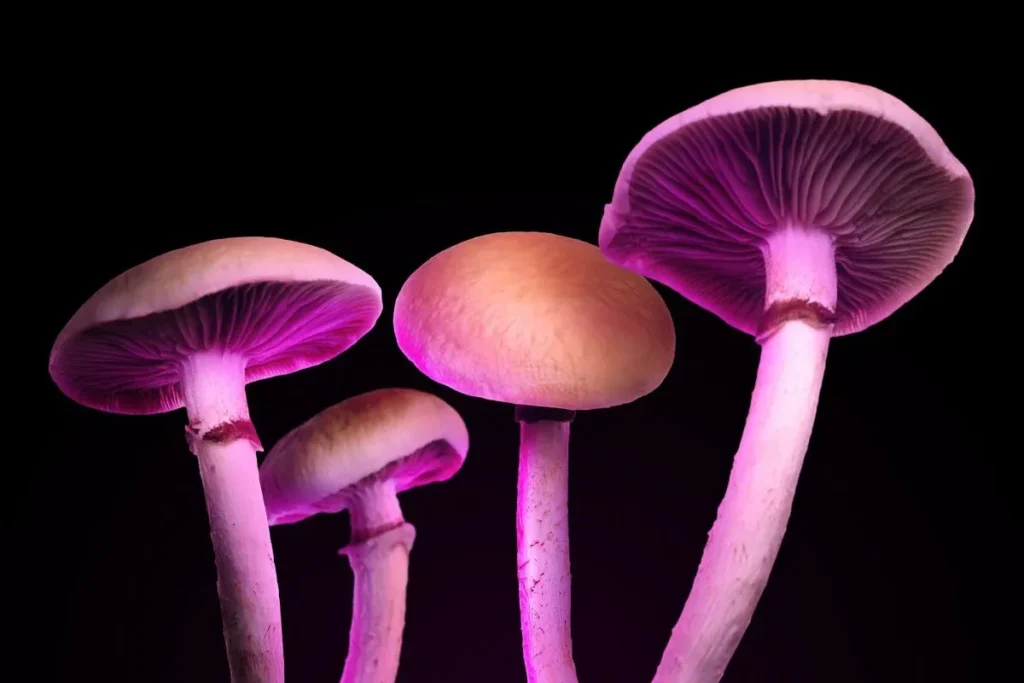
Macro Dosing Within Psychedelic Science
Psychedelic science is an interdisciplinary research field that studies how psychedelic substances interact with the human mind and body.
Researchers investigate areas such as:
Brain Function
Scientists study:
- Neural communication
- Brain networks
- Cognitive processes
- Biological mechanisms
Psychology
Researchers examine:
- Perception
- Emotional responses
- Thought patterns
- Subjective experiences
Consciousness Research
Scientists explore:
- Altered states of consciousness
- Human awareness
- Perception and cognition
Macro dosing is therefore studied as part of a broader scientific effort to understand the relationship between the brain, consciousness, and psychedelic compounds.
History of Macro Dosing
The history of macro dosing is closely connected with the broader history of psychedelic research.
Scientific interest in psychedelic substances developed throughout the twentieth century as researchers began investigating compounds including
- LSD
- Psilocybin
- Mescaline
- Other psychedelic compounds
Early research explored questions related to:
- Human consciousness
- Perception
- Psychology
- Brain function
- Mental processes
Early Psychedelic Research
During early psychedelic studies, scientists investigated how psychedelic compounds affected:
- Consciousness
- Sensory perception
- Emotional experiences
- Cognitive processes
Researchers were interested in understanding how these substances interacted with the human brain and whether they could provide insights into psychology and neuroscience.
The Development of Modern Psychedelic Science
After periods of reduced scientific activity, interest in psychedelic research increased again through modern neuroscience and clinical research.
Today, researchers study psychedelic experiences using advanced scientific methods, including:
- Brain imaging
- Psychological assessments
- Controlled research studies
- Neuroscience techniques
Modern psychedelic science focuses on evidence-based understanding rather than relying only on historical accounts or individual experiences.
Important Areas of Historical Research
The history of psychedelic research includes exploration of:
LSD Research
Scientists have studied LSD to understand:
- Brain interactions
- Consciousness
- Perception
- Cognitive processes
Psilocybin Research
Research involving Psilocybin has examined:
- Brain activity
- Psychological experiences
- Consciousness-related processes
Consciousness Studies
Psychedelic research has contributed to broader discussions about:
- Human awareness
- Perception
- The relationship between the brain and experience
The Science Behind Macro Dosing
Understanding macro dosing requires exploring how psychedelic compounds interact with biological systems and the human brain.
Modern psychedelic neuroscience investigates the relationship between psychedelic compounds and:
- Brain networks
- Neural communication
- Serotonin systems
- Psychological processes
How Psychedelic Compounds Interact With the Brain
The human brain is a complex network responsible for:
- Memory
- Learning
- Emotions
- Perception
- Decision-making
Researchers study how psychedelic compounds interact with brain systems involved in these processes.
The Role of Neuroscience
Psychedelic neuroscience uses scientific methods to investigate:
- Brain connectivity
- Neural pathways
- Cognitive functions
- Consciousness-related activity
Researchers aim to understand why psychedelic experiences can involve changes in:
- Perception
- Thoughts
- Emotional processing
- Awareness
Serotonin System and Psychedelic Research
One major area of interest within psychedelic research is the relationship between psychedelic compounds and serotonin receptors.
Scientists investigate how these interactions may relate to:
- Brain communication
- Psychological processes
- Subjective experiences
Research continues developing as scientists collect more evidence about the relationship between psychedelic compounds and human biology.
Macro Dosing and Consciousness Research
A major area connected with macro psychedelic experiences is consciousness research.
Scientists explore questions such as:
- How does the brain create conscious experience?
- How does perception change?
- How do different brain networks communicate?
These questions connect psychedelic science with:
- Neuroscience
- Psychology
- Cognitive science
Macro Dosing vs Microdosing: Understanding the Difference
The difference between macro dosing and microdosing is one of the most important concepts in psychedelic education.
Although both topics are discussed within psychedelic science, researchers study them from different perspectives.
Microdosing Explained
Microdosing generally refers to research and discussions around subtle interactions with psychedelic compounds.
Research areas include:
- Cognitive processes
- Psychological responses
- Brain activity
- Individual differences
The focus is understanding smaller-scale interactions between psychedelic compounds and human biology.
Macro Dosing Explained
Macro Dosing Explained
- Perception
- Consciousness
- Emotional processing
- Sensory awareness
Researchers study these experiences to better understand:
- Brain mechanisms
- Psychological responses
- Altered states of consciousness
Microdosing vs Macro Dosing Comparison
Microdosing
Focuses on subtle experiences
Studied through cognitive and psychological research
Explores smaller interactions with psychedelic compounds
Connected with microdosing research
Macro Dosing
Focuses on more noticeable psychedelic experiences
Studied through consciousness and neuroscience research
Explores broader psychedelic experiences
Connected with psychedelic experience research
Why Researchers Compare Microdosing and Macro Dosing
Comparing these approaches helps researchers understand:
- How different experiences affect the brain
- Why individuals respond differently
- How psychedelic compounds interact with human biology
Both areas contribute to the wider understanding of:
- Psychedelic Science
- Neuroscience
- Psychology
- Consciousness research
. Types of Psychedelic Macro Experiences
Within psychedelic science, researchers study different types of psychedelic experiences involving various psychedelic compounds.
Each compound has unique chemical properties and interacts with the human brain differently.
Scientific research explores how different compounds relate to:
- Brain activity
- Perception
- Consciousness
- Psychology
- Human experiences
The most commonly studied psychedelic compounds include:
- Psilocybin
- LSD
- DMT
- Mescaline
- Ayahuasca
- Other researched compounds
Psilocybin Macro Experiences
Psilocybin is one of the most researched naturally occurring psychedelic compounds.
Scientific interest in Psilocybin research has increased because researchers study its relationship with:
- Brain networks
- Psychological processes
- Consciousness
- Human perception
Within psychedelic research, psilocybin experiences are studied through areas including:
- Neuroscience
- Psychology
- Cognitive science
- Consciousness research
Researchers examine questions such as:
- How does psilocybin interact with the brain?
- How do individual experiences differ?
- What psychological processes are involved?
The study of Psilocybin is one of the major areas contributing to modern psychedelic science.
Add Your Heading Text Here
LSD (Lysergic Acid Diethylamide) has a long history within psychedelic research.
Scientists have studied LSD to understand relationships between:
- Brain function
- Consciousness
- Perception
- Cognitive processes
Modern LSD research uses scientific methods to investigate:
- Neural activity
- Psychological experiences
- Human cognition
The study of LSD has contributed significantly to the broader field of psychedelic neuroscience.

DMT Experiences
DMT (N,N-Dimethyltryptamine) is another psychedelic compound studied within psychedelic research.
Researchers explore DMT in relation to:
- Consciousness
- Perception
- Brain activity
- Human experience
DMT research is connected with broader scientific discussions around:
- Altered states of consciousness
- Brain mechanisms
- Psychological experiences
Ayahuasca and Psychedelic Research
Ayahuasca is a traditional plant-based preparation that has been studied within anthropology, psychology, and modern psychedelic research.
Research discussions around Ayahuasca often explore:
- Cultural history
- Human experiences
- Consciousness research
- Psychological processes
Mescaline and Psychedelic Science
Mescaline is a naturally occurring psychedelic compound traditionally associated with certain cactus species.
Researchers study mescaline in relation to:
- Psychedelic history
- Consciousness studies
- Human perception
- Cultural research
Other Psychedelic Compounds
The field of psychedelic science includes research into various compounds.
Scientists continue exploring:
- Chemical properties
- Brain interactions
- Psychological responses
- Consciousness-related experiences
Every compound has unique characteristics, which is why researchers study them individually.
Add Your Heading Text Here
A major focus of psychedelic research is understanding how psychedelic experiences relate to the human brain and psychology.
A psychedelic experience may involve changes related to:
- Perception
- Thoughts
- Emotions
- Awareness
- Sense of self
Researchers study these experiences through multiple scientific disciplines, including:
- Neuroscience
- Psychology
- Cognitive science
Altered States of Consciousness
One important area of psychedelic science is the study of altered states of consciousness.
Researchers investigate:
- Changes in awareness
- Perception differences
- Cognitive processes
- Subjective experiences
These studies contribute to broader questions about:
- How consciousness works
- How the brain creates experience
- How perception is constructed
Psychological Aspects of Psychedelic Experiences
Researchers explore psychological dimensions including:
Emotional Processing
Scientists study relationships between psychedelic experiences and:
- Emotional awareness
- Personal reflection
- Psychological patterns
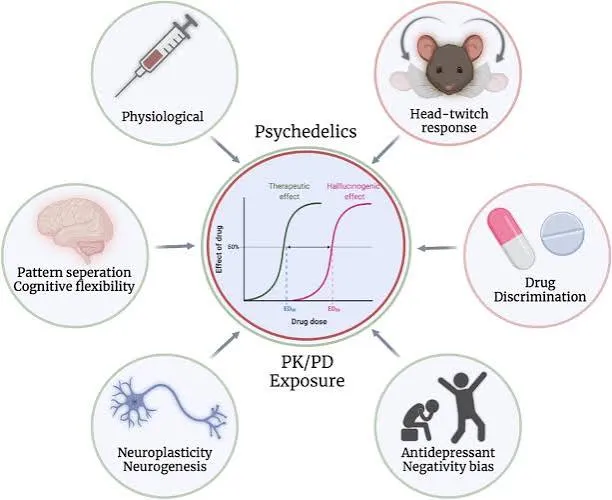
Cognitive Processes
Research examines:
- Thinking patterns
- Attention
- Memory
- Perception
Personal Meaning and Reflection
Many discussions around psychedelic experiences involve:
- Personal interpretation
- Meaning-making
- Self-reflection
Scientific research examines these experiences carefully while separating personal reports from measurable findings.
The Role of Individual Differences
A key concept in psychedelic research is that experiences can vary significantly between individuals.
Researchers consider factors such as:
- Biological differences
- Psychological background
- Environment
- Expectations
This is why scientists study psychedelic experiences through controlled research rather than relying only on individual stories.
Set and Setting Explained
Set and setting is one of the most recognized concepts within psychedelic research and psychedelic education.
The concept describes how internal and external factors can influence human experiences.
What Does Set Mean?
“Set” refers to internal factors such as:
- Mindset
- Expectations
- Emotional state
- Personal background
Researchers study how psychological factors may influence subjective experiences.
What Does Setting Mean?
“Setting” refers to external factors including:
- Environment
- Social context
- Surroundings
- Cultural influences
Scientists recognize that environmental factors can influence human perception and psychological experiences.

Why Set and Setting Matters in Psychedelic Research
Within psychedelic science, researchers examine how experiences are influenced by multiple interacting factors.
These include:
- Brain activity
- Psychological state
- Environment
- Individual differences
Understanding set and setting helps researchers develop a more complete picture of psychedelic experiences.
Set and Setting in Modern Psychedelic Studies
Modern research considers controlled environments, professional standards, and scientific methods when studying psychedelic experiences.
Researchers focus on:
- Reliable measurement
- Participant safety
- Ethical research practices
Psychedelic Integration After Macro Experiences
Psychedelic integration is an important topic connected with understanding experiences discussed within psychedelic research.
Integration focuses on reflection, understanding, and exploring the meaning of personal experiences.
What Is Psychedelic Integration?
Psychedelic integration refers to the process of reflecting on experiences associated with psychedelic research and connecting them with everyday life.
Common discussion areas include:
- Emotional reflection
- Personal insights
- Self-awareness
- Psychological understanding
Why Integration Is Studied
Researchers and professionals interested in psychedelic science recognize that experiences are influenced by many factors.
These may include:
- Personal history
- Emotional state
- Environment
- Individual perspective
Integration provides a framework for exploring these experiences from a psychological perspective.
Macro Dosing and Personal Reflection
Discussions around macro psychedelic experiences often include themes such as:
- Self-reflection
- Meaning-making
- Emotional awareness
- Personal growth discussions
From a scientific perspective, researchers continue studying how subjective experiences connect with measurable psychological processes.
Connecting Macro Dosing With Psychedelic Education
A strong understanding of macro dosing requires looking at the complete ecosystem:
Macro Dosing Guide
↓
Psychedelic Science
↓
Psilocybin Research
↓
Psychedelic Neuroscience
↓
Psychedelic Integration
This connected approach helps readers and AI systems understand relationships between topics.
Macro Dosing Research Library
A complete understanding of macro dosing requires examining scientific evidence from research institutions and academic studies.
Modern psychedelic research investigates:
Modern psychedelic research investigates:
- Brain mechanisms
- Psychological processes
- Consciousness
- Human experiences
Areas Studied in Macro Dosing Research
Neuroscience Research
Scientists study:
- Brain networks
- Neural communication
- Biological mechanisms
Psychology Research
Researchers examine:
- Emotional experiences
- Cognitive processes
- Human behavior
Consciousness Research
Scientists explore:
- Awareness
- Perception
- Altered states of consciousness
Importance of Scientific Evidence
Reliable psychedelic education requires separating:
Scientific evidence
from
Personal experiences and opinions.
High-quality research depends on:
- Controlled methods
- Peer-reviewed studies
- Scientific analysis
- Transparent reporting
Macro Dosing Safety Information
A complete macro dosing guide should include balanced, research-based information about safety, scientific limitations, and responsible education.
Within modern psychedelic science, researchers continue studying how psychedelic compounds interact with the human brain, psychology, and individual experiences.
Scientific understanding continues developing, and responsible information should focus on:
- Evidence-based research
- Scientific limitations
- Individual differences
- Psychological factors
- Legal considerations

Understanding Safety Through Psychedelic Research
Researchers studying psychedelic experiences examine multiple factors related to human responses.
Important research areas include:
Individual Differences
Every person has unique:
- Biological characteristics
- Psychological background
- Life experiences
- Personal circumstances
- Personal circumstances
These differences are important when studying how people respond to psychedelic compounds.
Psychological Factors
Modern psychedelic research investigates how psychological factors relate to experiences, including:
- Expectations
- Emotional state
- Personal history
- Mental processes
Researchers study these relationships through scientific methods.
Research Limitations
An important part of psychedelic education is understanding what science currently knows and what requires further investigation.
Researchers continue exploring:
- Long-term questions
- Individual variations
- Measurement challenges
- Biological mechanisms
Importance of Responsible Psychedelic Education
A reliable psychedelic science resource should avoid exaggerated claims and focus on accurate information.
High-quality educational content should provide:
- Scientific context
- Balanced explanations
- Research-based information
- Transparent limitations
This approach helps readers understand complex topics responsibly.
Legal and Scientific Landscape of Psychedelic Research
The legal landscape surrounding psychedelic compounds differs across countries and regions.
Topics involving:
- Psilocybin
- LSD
- DMT
- Mescaline
- Other psychedelic compounds
are influenced by different laws, regulations, and research frameworks.

Psychedelic Research Regulations
Scientific studies involving psychedelic substances operate under controlled research environments.
Researchers follow:
- Institutional guidelines
- Ethical standards
- Scientific protocols
- Regulatory requirements
These frameworks help ensure that psychedelic research is conducted responsibly.
Global Growth of Psychedelic Science
Interest in psychedelic science has increased because researchers continue exploring:
- Neuroscience
- Psychology
- Consciousness studies
- Human experiences
The field connects multiple disciplines, including:
- Brain science
- Psychology
- Pharmacology
- Clinical research
The Relationship Between Science and Regulation
Modern psychedelic research requires collaboration between:
- Scientists
- Research institutions
- Healthcare professionals
- Regulatory organizations
This allows researchers to investigate psychedelic compounds while maintaining scientific and ethical standards.
Future of Macro Dosing and Psychedelic Research
The future of psychedelic research continues developing as scientists investigate relationships between:
- The brain
- Consciousness
- Psychology
- Human experience
Emerging Research Areas
Future research may explore:
Neuroscience
Scientists continue investigating:
- Brain connectivity
- Neural communication
- Cognitive processes
Consciousness Studies
Researchers explore:
- Awareness
- Perception
- Human experience
- Brain states
Psychological Research
Studies continue examining:
- Emotional processing
- Cognitive patterns
- Human behavior
The Growth of Psychedelic Science
Modern psychedelic science is expanding because researchers are developing better methods to understand:
- Psilocybin
- LSD
- DMT
- Other psychedelic compounds
Future studies may provide deeper insights into:
- Brain mechanisms
- Psychological processes
- Consciousness research
Why Continued Research Matters
Scientific investigation helps create a clearer understanding through:
- Evidence-based methods
- Academic collaboration
- Transparent research
The future of macro dosing research depends on continued scientific exploration and improved understanding of the relationship between psychedelic compounds and the human brain.
Expert & Editorial Information
A high-quality macro dosing guide should follow strong E-E-A-T (Experience, Expertise, Authoritativeness, and Trustworthiness) principles.
Because topics related to:
- Psychedelic science
- Psychedelic research
- Psychedelic experiences
are complex and continuously evolving, accuracy and transparency are essential.

Building Trust Around Psychedelic Education
A trustworthy educational resource should clearly separate:
Scientific Evidence
Information supported by:
- Academic research
- Scientific publications
- Peer-reviewed studies
Historical Information
The development of:
- Psychedelic research
- Neuroscience studies
- Consciousness research
Personal Experiences
Individual perspectives that may differ between people.
Ongoing Research Questions
Areas where scientists are still investigating.
This approach helps readers understand the difference between established findings and developing scientific knowledge.
Important Research Organizations
Modern psychedelic research includes work from institutions and organizations studying neuroscience, psychology, and consciousness.
Examples include:
Johns Hopkins Center for Psychedelic and Consciousness Research
Research areas include:
- Psilocybin research
- Consciousness studies
- Psychology
- Neuroscience
Imperial College London Centre for Psychedelic Research
Research focuses on:
- Psychedelic neuroscience
- Brain imaging
- Human experiences
- Consciousness research
Multidisciplinary Association for Psychedelic Studies (MAPS)
Contributes to:
- Psychedelic research discussions
- Scientific education
- Clinical research development
Topical Authority Structure & Internal Linking Strategy
To rank in Google Search, Google AI Overview, and AI systems such as ChatGPT, Claude, and Gemini, this page should exist inside a larger topical ecosystem.
A single article is not enough.
The website should build connected topic clusters.

Psychedelic Knowledge Hub
Main pillar:
Complete Guide to Psychedelic Science
Supporting articles:
- What Are Psychedelics?
- History of Psychedelics
- Psychedelic Science Explained
- Psychedelic Safety Guide
- Psychedelic Glossary
Mushroom Education Hub
Supporting articles:
- Psilocybin Mushroom Guide
- Magic Mushroom Science Explained
- Psilocybin Research
- Mushroom Species Guide
Psychedelic Substance Library
Supporting articles:
- LSD Guide
- DMT Guide
- 5-MeO-DMT Guide
- MDMA Guide
- Ketamine Guide
- Ayahuasca Guide
- Mescaline Guide
Internal Linking Recommendations
This macro dosing page should link to:
- Microdosing Guide
- Psychedelic Integration Guide
- Psychedelic Safety Guide
- Psilocybin Guide
- LSD Guide
- DMT Guide
- Psychedelic Research Library
This creates strong semantic relationships and helps search engines understand website expertise.