
Micro-dosing
Micro-dosing
The Practice of taking sub-perceptual doses of Psilocybin Mushrooms
Micro-dosing Guide
Understanding Psychedelic Microdosing
Microdosing has become one of the most discussed topics within modern psychedelic science, combining research from neuroscience, psychology, pharmacology, and consciousness studies.
The term microdosing refers to the scientific and public discussion surrounding the use of very small amounts of certain psychedelic compounds and how these compounds may interact with the human brain, cognition, perception, and psychological processes.
Unlike traditional psychedelic experiences, which are often associated with noticeable changes in consciousness and perception, psychedelic microdosing focuses on understanding subtle interactions between compounds such as Psilocybin and LSD and the biological systems of the brain.
This complete guide explores:
- What microdosing means
- The history of psychedelic research
- How psychedelic compounds interact with the brain
- Current microdosing research
- Reported microdosing effects
- Safety considerations
- Scientific limitations
- The future of psychedelic science
- Frequently asked questions
The goal of modern research is to understand these topics through evidence-based methods rather than relying only on personal experiences or online discussions.
What Is Microdosing?
Microdosing is a research topic within psychedelic science that examines how very small amounts of certain psychedelic compounds may relate to brain function, perception, cognition, and psychological processes.
The concept has gained attention because scientists are interested in understanding how small interactions with compounds such as Psilocybin and LSD may influence:
- Brain activity
- Neural communication
- Cognitive processes
- Emotional responses
- Human perception
The scientific community continues studying microdosing research to understand which findings are supported by evidence and which areas require additional investigation
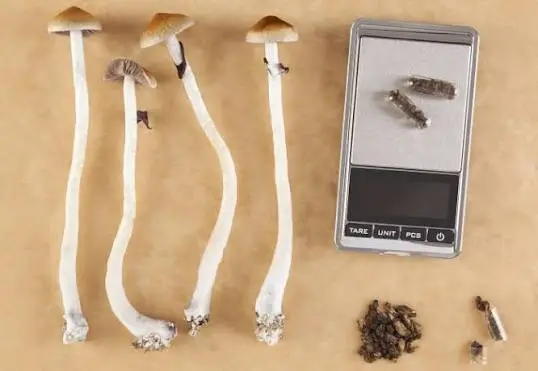
Why Is Microdosing Studied?
Researchers study microdosing because it provides an opportunity to explore the relationship between psychedelic compounds and the human brain.
Areas of scientific interest include:
Brain Function
Researchers examine how compounds may interact with:
- Neural networks
- Brain connectivity
- Information processing
Psychology
Studies explore relationships between:
- Thoughts
- Emotions
- Behavior patterns
- Subjective experiences
Consciousness Research
Scientists also investigate how psychedelic science may improve understanding of:
- Awareness
- Perception
- Human consciousness
The Role of Psychedelic Science
Modern psychedelic science combines several fields:
Neuroscience
Neuroscience studies how the brain functions and how biological systems communicate.
Researchers investigate:
- Brain networks
- Neural pathways
- Serotonin systems
- Cognitive processes
Psychology
Psychology helps researchers understand:
- Human behavior
- Emotional processing
- Personal experiences
Clinical Research
Clinical research focuses on structured scientific studies designed to evaluate measurable outcomes.
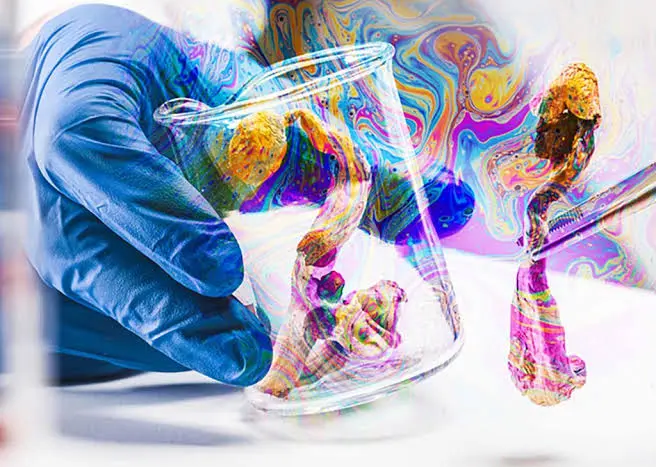

History of Microdosing
The history of microdosing is connected with the broader history of psychedelic research.
Scientific interest in psychedelic compounds developed decades ago as researchers explored substances including:
- Psilocybin
- LSD
- Other compounds studied in neuroscience and psychology
Early research examined topics such as:
- Consciousness
- Perception
- Human behavior
- Brain function
The Development of Modern Psychedelic Research
Interest in psychedelic science changed over time because of:
- Social factors
- Cultural changes
- Legal restrictions
- Scientific developments
In recent years, research interest has increased around:
- Psilocybin research
- LSD research
- Psychedelic neuroscience
- Consciousness studies
Modern researchers use scientific methods to better understand these compounds and their relationship with the human brain.

Modern Microdosing Research
Today, microdosing research involves scientists, universities, and research organizations studying:
- Brain activity
- Psychological processes
- Cognitive changes
- Individual differences
Important questions include:
- How do psychedelic compounds interact with the brain?
- Which effects can be measured scientifically?
- How much do personal expectations influence experiences?
- What areas require further research?
The Science Behind Microdosing
Understanding how microdosing works requires exploring the relationship between psychedelic compounds and neuroscience.
The human brain is a complex system responsible for:
- Memory
- Learning
- Emotions
- Perception
- Decision-making
Researchers studying psychedelic neuroscience investigate how different compounds may influence communication between brain systems.

Microdosing and Brain Activity
Brain Networks
The brain contains interconnected networks responsible for different functions.
Researchers examine:
- Brain connectivity
- Neural communication
- Information processing
Serotonin System
One important area of psychedelic research involves the relationship between psychedelic compounds and serotonin receptors.
Scientists study how these interactions may relate to:
- Brain activity
- Perception
- Psychological processes
Neuroplasticity and Cognitive Research
Modern neuroscience also explores concepts such as:
- Neuroplasticity
- Cognitive flexibility
- Learning processes
- Adaptation
These areas help researchers understand the relationship between the brain and human experience.
Types of Microdosing Research
Research into microdosing covers multiple areas, including:
- Psilocybin microdosing
- LSD microdosing
- Broader psychedelic research
Psilocybin Microdosing
Psilocybin microdosing is one of the most discussed areas within modern psychedelic science.
Psilocybin is a naturally occurring compound studied by researchers interested in:
- Neuroscience
- Psychology
- Consciousness
- Human experiences
Research questions include:
- How does Psilocybin interact with the brain?
- How do individual responses differ?
- What evidence currently exists?
LSD Microdosing
LSD microdosing is another area studied within psychedelic neuroscience.
Researchers examine:
- Brain interactions
- Cognitive processes
- Psychological responses
Studies involving LSD contribute to broader understanding of how different psychedelic compounds interact with human biology.
Other Psychedelic Compounds Studied
The wider field of psychedelic research includes studies involving various compounds.
Examples include:
- Psilocybin
- LSD
- DMT
- Other research compounds
Each compound has unique chemical properties, and researchers continue exploring their relationship with:
- Brain function
- Psychology
- Consciousness
- Human experience
Microdosing Research Library:
Scientific Evidence & Current Studies
A complete understanding of microdosing requires looking beyond online discussions and focusing on scientific evidence from psychedelic research, neuroscience, and psychology.
Researchers investigate microdosing through:
- Scientific studies
- Academic publications
- Brain research
- Psychological assessments
- Controlled research methods
The goal of modern psychedelic science is to understand how psychedelic compounds interact with the brain and human experience.
Areas Studied in Microdosing Research
Neuroscience Research
Psychedelic neuroscience focuses on understanding the relationship between psychedelic compounds and brain activity.
Researchers examine:
- Brain connectivity
- Neural communication
- Brain network activity
- Biological mechanisms
Modern neuroscience tools allow scientists to explore how different compounds may relate to changes in brain processes
Psychological Research
Psychological studies explore how microdosing experiences relate to:
- Cognitive processes
- Emotional responses
- Attention
- Personal perception
- Human behavior
Researchers aim to understand the difference between:
- Subjective experiences
- Measurable scientific outcomes
Clinical Research and Scientific Studies
Modern psychedelic research uses structured scientific approaches to better understand:
- Brain mechanisms
- Psychological processes
- Individual differences
- Long-term questions
Research continues developing as scientists collect more evidence and improve study methods.
Scientific Limitations of Current
Microdosing Research
An important part of understanding microdosing research is recognizing that science continues to evolve.
Researchers continue investigating:
- Long-term effects
- Individual variation
- Research methodology
- Expectation effects
- Measurement challenges
Scientific progress depends on careful research, transparent methods, and evidence-based analysis.
Why Scientific Research Matters
Reliable psychedelic research helps answer important questions:
- Which effects can be measured?
- Which findings are consistent?
- What requires further investigation?
- How do biological and psychological factors interact?
A balanced understanding requires considering both research findings and scientific limitations.
Microdosing Effects Explained
Understanding microdosing effects requires examining both scientific research and reported personal experiences.
Within psychedelic science, researchers study how psychedelic compounds may relate to:
- Perception
- Cognition
- Emotional processing
- Brain activity
- Psychological experiences
Public discussions about microdosing effects often include reports involving:
- Focus and attention
- Creativity
- Emotional awareness
- Mood-related experiences
- Personal reflection
However, scientists separate individual reports from findings supported through controlled research.
How Researchers Study Microdosing Effects
Researchers studying psychedelic neuroscience use different approaches to understand possible relationships between compounds and human experience.
Cognitive Processes
Scientists investigate connections between psychedelic compounds and:
- Attention
- Memory
- Learning processes
- Thinking patterns
- Cognitive flexibility
Emotional Processing
Another area of interest within psychedelic research is emotional processing.
Researchers examine:
- Emotional responses
- Psychological patterns
- Personal experiences
- Behavioral changes
Brain Activity
Modern neuroscience research explores:
- Brain networks
- Neural communication
- Biological pathways
- Cognitive processes
These studies contribute to the growing understanding of psychedelic science.
Personal Experiences vs Scientific Evidence
One of the most important parts of microdosing education is understanding the difference between personal experiences and scientific evidence.
Personal reports can provide valuable information about individual perspectives, but scientific research requires:
- Controlled methods
- Reliable measurements
- Repeated analysis
- Peer-reviewed evaluation
This distinction helps create a balanced view of microdosing research.
Microdosing vs Traditional
Psychedelic Experiences
The difference between microdosing and traditional psychedelic experiences is an important topic within psychedelic education.
Both areas are studied within psychedelic science, but researchers approach them differently.
Understanding Microdosing
Research discussions around microdosing generally focus on:
- Subtle interactions with the brain
- Cognitive processes
- Psychological research
- Individual differences
Scientists investigate how small interactions with psychedelic compounds may relate to human biology.

Understanding Traditional Psychedelic Experiences
Traditional psychedelic experiences are often discussed in relation to:
- Changes in perception
- Altered states of consciousness
- Sensory experiences
- Psychological exploration
Researchers study these experiences through fields including:
- Neuroscience
- Psychology
- Consciousness research
Why Researchers Compare Different Psychedelic Experiences
Comparing different forms of psychedelic experiences helps scientists understand:
- How compounds interact with the brain
- Why experiences vary between individuals
- How biological factors influence outcomes
This contributes to broader research involving:
- Psychedelics
- Neuroscience
- Psychology
- Human consciousness
Microdosing and Psychedelic Integration
Psychedelic integration is an important concept connected with understanding experiences discussed within psychedelic research.
Integration focuses on reflection, meaning-making, and understanding personal experiences through psychological frameworks.
What Is Psychedelic Integration?
Psychedelic integration refers to the process of reflecting on experiences associated with psychedelic research and exploring their personal meaning.
Common discussion areas include:
- Emotional reflection
- Personal awareness
- Psychological understanding
- Meaning-making
Why Integration Matters
Researchers and professionals studying psychedelic science recognize that experiences can be influenced by multiple factors.
These may include:
- Personal background
- Environment
- Expectations
- Psychological factors
Integration provides a framework for thoughtful reflection and understanding.
Microdosing and Self-Reflection
Discussions around microdosing often include themes related to:
- Self-awareness
- Reflection
- Creativity
- Emotional understanding
From a research perspective, scientists continue examining how subjective experiences relate to measurable psychological processes.

Microdosing Safety Information
A complete microdosing guide should include balanced information about scientific research, limitations, and responsible education.
The understanding of microdosing safety continues developing through ongoing psychedelic research.
Understanding Safety Through Research
Scientists examine multiple factors related to psychedelic compounds, including:
- Individual differences
- Biological responses
- Psychological factors
- Research limitations
Importance of Evidence-Based Information
High-quality psychedelic education should focus on:
- Scientific accuracy
- Balanced explanations
- Research-based information
A responsible microdosing resource should avoid exaggerated claims and clearly separate established findings from areas requiring more research.
Factors Considered in Psychedelic Research
Individual Differences
Researchers recognize that people differ in:
- Biology
- Psychology
- Personal history
- Life experiences
Research Conditions
Scientific studies carefully consider:
- Study design
- Measurement methods
- Research environments
Long-Term Research Questions
Scientists continue exploring unanswered questions related to:
- Long-term understanding
- Individual responses
- Brain mechanisms
Legal and Research Landscape
The legal landscape surrounding psychedelic compounds differs across countries and regions.
Anyone interested in psychedelic research, Psilocybin, LSD, DMT, or related topics should understand that regulations vary depending on location.
Psychedelic Research Regulations
Scientific studies involving psychedelic compounds operate under:
- Institutional guidelines
- Research regulations
- Scientific standards
- These frameworks help ensure responsible scientific investigation.
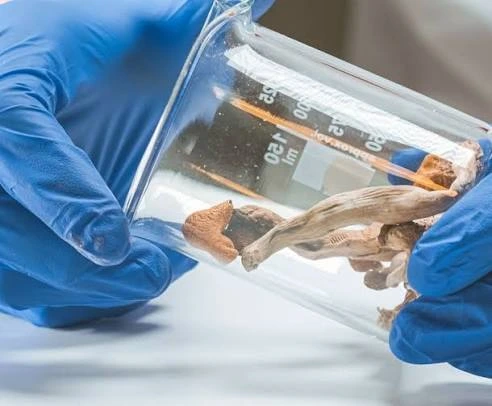
Global Growth of Psychedelic Science
Interest in psychedelic science has increased because researchers continue exploring:
- Neuroscience
- Psychology
- Consciousness studies
- Human experiences
The field connects multiple disciplines, including:
- Medicine
- Brain science
- Psychology
- Research institutions
The Future of Microdosing Research
The future of microdosing research depends on continued scientific investigation.
Future studies may provide deeper understanding of:
- Brain mechanisms
- Psychological processes
- Individual differences
- Human consciousness
As research develops, evidence-based information will remain essential for understanding microdosing, psychedelic science, and related topics.
Expert & Editorial Information
A trustworthy microdosing guide requires strong E-E-A-T (Experience, Expertise, Authoritativeness, and Trustworthiness) signals.
Because topics related to psychedelic science, psychedelic research, and psychedelic compounds are complex and continuously evolving, accurate and transparent information is essential.
A high-quality educational resource should include:
- Scientific references
- Transparent editorial standards
- Clear authorship
- Updated research information
- Evidence-based explanations
Building Trust in Psychedelic Education
The internet contains a mixture of scientific information, personal stories, opinions, and misinformation related to psychedelics.
A reliable educational resource should clearly separate:
Scientific Evidence
Information supported by:
- Research studies
- Academic publications
- Scientific analysis
Personal Experiences
Individual perspectives that may differ between people.
Historical Information
Lorem ipsum dolor sit amet, consectetur adipiscing elit. Ut elit tellus, luctus nec ullamcorper mattis, pulvinar dapibus leo.
Current Research Questions
Areas where scientists are still investigating and collecting evidence.
This approach helps readers understand the difference between established knowledge and ongoing scientific exploration.
Leading Organizations in Psychedelic Research
Modern psychedelic science is being explored by research institutions and organizations around the world.
Examples include:
Johns Hopkins Center for Psychedelic and Consciousness Research
This research center focuses on areas including:
- Psilocybin research
- Consciousness studies
- Neuroscience
- Psychological research
Imperial College London Centre for Psychedelic Research
Research areas include:
- Psychedelic neuroscience
- Brain imaging
- Consciousness research
- Human experience studies
Multidisciplinary Association for Psychedelic Studies (MAPS)
The organization has contributed to:
- Psychedelic research
- Scientific education
- Clinical research discussions
Scientific Content Standards
A strong psychedelic research resource should follow scientific principles.
Evidence-Based Information
Add Your Heading Text Here
Content should prioritize:
- Peer-reviewed research
- Academic publications
- Scientific literature
- Verified educational resources
Balanced Explanations
A reliable microdosing guide should discuss:
- Current findings
- Research limitations
- Different perspectives
- Areas requiring additional investigation
References and Research Sources
A complete microdosing research library connects readers with information from multiple scientific fields.
Important areas include:
- Neuroscience
- Psychology
- Pharmacology
- Clinical research
- Brain science
Psilocybin Research
Psilocybin research is one of the most studied areas within modern psychedelic science.
Researchers explore relationships between:
- Brain function
- Psychological processes
- Consciousness
- Human experiences
LSD Research
Research involving LSD examines:
- Brain interactions
- Cognitive processes
- Consciousness studies
- Psychological experiences
Psychedelic Neuroscience
Modern psychedelic neuroscience investigates how psychedelic compounds interact with biological systems.
Research areas include:
- Brain connectivity
- Neural communication
- Serotonin pathways
- Cognitive processes
Why Scientific References Matter
Scientific references improve:
- Reader trust
- Information accuracy
- Content credibility
They also help search engines and AI systems understand relationships between topics such as:
- Microdosing
- Psychedelic science
- Psilocybin research
- Psychedelic research
- Neuroscience
Topical Authority Structure
A successful SEO strategy for microdosing content requires building a connected knowledge ecosystem.
Instead of creating isolated articles, websites should develop topic clusters that demonstrate expertise.
Psychedelic Knowledge Hub
Main pillar:
Complete Guide to Psychedelic Science
Related articles:
- What Are Psychedelics?
- History of Psychedelics
- Psychedelic Science Explained
- Psychedelic Safety Guide
- Psychedelic Glossary
Mushroom Education Hub
Related topics:
- Psilocybin Mushroom Guide
- Magic Mushroom Science Explained
- Psilocybin Research
- Psilocybe Species Guide
- Mushroom Identification Guide
Psychedelic Substance Library
Related educational guides:
- LSD Guide
- DMT Guide
- 5-MeO-DMT Guide
- MDMA Guide
- Ketamine Guide
- Ayahuasca Guide
- Mescaline Guide
Internal Linking Strategy
This microdosing pillar page should connect with:
- Research articles
- Substance education pages
- FAQ pages
- Scientific resources
- Related guides
Strong internal linking helps search engines understand:
- Topic relationships
- Website expertise
- Content depth
It also helps AI systems identify your website as a reliable knowledge source.

Future of Psychedelic Research
The future of psychedelic research continues developing as scientists explore the relationship between:
- The brain
- Consciousness
- Psychology
- Human experiences
Emerging research areas include:
- Neuroscience
- Brain imaging
- Cognitive science
- Psychological research
- Consciousness studies
The Growth of Psychedelic Science
Modern psychedelic science is expanding because researchers are investigating how different psychedelic compounds interact with human biology.
Future research may provide deeper understanding of:
- Brain mechanisms
- Cognitive processes
- Individual differences
- Human consciousness
Why Continued Research Matters
Scientific investigation helps develop a clearer understanding through:
- Evidence-based methods
- Research collaboration
- Scientific analysis
The future of microdosing research depends on continued investigation and improved understanding of the relationship between psychedelic compounds and the human brain.
Frequently Asked Questions About Microdosing
What is microdosing?
Microdosing is a topic within psychedelic science that explores how very small amounts of certain psychedelic compounds relate to brain activity, cognition, and psychological research.
What does microdosing mean?
The term microdosing meaning refers to the scientific discussion around studying subtle interactions between psychedelic compounds and human biology.
What is psychedelic microdosing?
Psychedelic microdosing refers to research and discussion focused on small interactions between certain psychedelic compounds and the human brain.
How does microdosing work?
Researchers study how psychedelic compounds interact with biological systems, including serotonin pathways and brain networks.
What are microdosing effects?
Microdosing effects are studied through scientific research and reported experiences involving cognition, perception, emotions, and psychological processes.