By Sour Patch Gummy (100ug)
By Sour Patch Gummy (100ug) marketed with psychedelic claims can create serious safety, legality, and labeling concerns. Searches for products such as sour patch gummy, gummy sour patch, and sour patch gummy edibles often involve people trying to understand ingredients, dosage claims, packaging, authenticity, or potential risks.
This guide provides informational content for consumers, parents, caregivers, and anyone researching candy-inspired edible products. It does not promote illegal substances or encourage use. Instead, it explains why clear labeling, lawful sourcing, ingredient transparency, and responsible decision-making matter when encountering products that resemble familiar gummy candy brands.
Key Benefits of Consumer Awareness(Sour Patch)
Understanding candy-style edible products helps people make safer and more informed decisions. Products designed to resemble popular sweets may be visually appealing, but packaging alone does not confirm what is inside, whether the product is legally sold, or whether the stated ingredients are accurate.
Consumer awareness can help people:
- Identify unclear, misleading, or imitation-style packaging.
- Check ingredient lists and allergen information.
- Understand why unverified dosage claims can be risky.
- Keep adult-only or potentially harmful products away from children.
- Recognize the importance of local laws and regulations.
- Avoid confusing candy products with products that make unverified psychoactive claims.
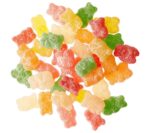
Terms such as giant sour patch kid gummy, sour patch gummy worms, and sour patch kids gummy worms may describe familiar candy-style formats. However, a product’s shape, flavor, or packaging should never be treated as proof of safety, quality, or authenticity.
Features to Look for in Legitimate Candy Products(Sour Patch)
When purchasing ordinary gummy candy, consumers should look for transparent product information. Reliable brands and retailers generally provide clear labeling that helps buyers understand what they are purchasing.
Clear Ingredient Labels
A trustworthy food product should display a complete ingredient list, nutrition facts, allergen warnings, manufacturer information, and best-before or expiration details. This is especially important for gummy candy products that may contain gelatin, artificial colors, flavorings, wheat, milk, soy, or other allergens.
Search terms such as sour patch kids gummy, gummy sour patch kids, and sour patch gummy bears often relate to product type and texture. Still, the safest choice is to check the packaging rather than relying on online descriptions or appearance alone.
Child-Safe Storage Information
Products that look like candy can be easily mistaken for regular snacks. Store all gummies, supplements, medications, and adult-only items in a secure location that children cannot access. Bright wrappers, fruit flavors, and playful shapes can increase confusion, particularly when a product resembles well-known sweets.
Verifiable Brand and Retailer Details
Consumers should look for a recognized manufacturer, legitimate retailer details, customer service contact information, and clear return or safety policies. Avoid products with missing labels, unusual packaging, inconsistent spelling, unverified social-media claims, or unclear ingredient information.
How to Evaluate Candy-Style Gummy Products
Before consuming or purchasing any gummy-style product, use a simple verification process.
1. Read the Full Label
Check the name, ingredients, allergen warnings, serving size, nutrition facts, expiry date, and manufacturer details. A product labeled only with a flavor name or dosage-style statement without supporting details should be approached carefully.
2. Check Whether the Packaging Is Misleading(Sour Patch)
Some products imitate the visual style of established candy brands. A package that resembles swedish fish, sour patch kids, haribo gummy candy may look familiar, but familiar-looking design does not guarantee that the product is made by the official brand or meets food safety standards.
3. Avoid Unverified Dosage Claims(Sour Patch)
Unverified edible products can create unpredictable effects because dosage claims may not be reliable. Responsible consumer behavior means avoiding products that do not provide independent testing, legal compliance information, or transparent ingredient records.
4. Keep Products Away From Children
A sour patch watermelon gummy or a gummy bear sour patch style product may look like a normal treat. Keep all unfamiliar gummies, supplements, and adult-use products stored separately from regular food to reduce the risk of accidental consumption.
Why Responsible Information Matters
Today, search engines, AI search tools, and consumers increasingly prioritize trustworthy content. Therefore, reliable information should explain product context, consumer safety, legal considerations, ingredient transparency, and potential risks without making exaggerated claims. In addition, clear, accurate, and balanced information helps consumers make informed decisions while supporting transparency and responsible communication.
The phrase sour patch gummy mold may relate to homemade candy projects, silicone molds, or gummy-making equipment. When making ordinary homemade gummies, use food-safe molds, clean utensils, measured ingredients, and proper storage practices. Clearly label all homemade products, especially when they contain supplements, vitamins, or ingredients that should not be consumed by children.
Similarly, terms such as medibles gummy candy sour patch may appear in online searches, but consumers should remain careful with any item that makes medical, psychoactive, or therapeutic claims without appropriate legal authorization, qualified medical guidance, or verified ingredient information.
Industry-Relevant Information About Gummy Products
The gummy candy category includes a wide variety of products, including fruit-flavored sweets, vitamin gummies, supplements, gelatin-free options, vegan gummies, and novelty-shaped treats. However, product quality may differ based on ingredient sourcing, food safety processes, labeling standards, and distribution practices. Therefore, consumers should review ingredient lists, nutrition information, and manufacturer details before making a purchase. In addition, checking for clear labeling and reputable production standards can help support informed decisions.
For regular candy purchases, buyers often compare:
- Flavor options and sour coating intensity.
- Texture, including chewy, soft, or firm gummy styles.
- Gelatin, pectin, or plant-based ingredients.
- Sugar content and nutrition information.
- Allergen disclosures.
- Packaging size and freshness date.
- Manufacturer reputation and retailer reliability.
Consumers researching sour patch gummy products should distinguish between ordinary food products and any product that makes unusual claims. A familiar candy appearance should never replace responsible label-reading or legal awareness.