



Ecstasy/Molly Crystal effects
$250.00 – $700.00Price range: $250.00 through $700.00
Ecstasy/Molly Crystal effects provides clear, evidence-based information about MDMA-related terms, potential effects, health risks.
Guaranteed Safe Checkout

Ecstasy/Molly Crystal effects
Ecstasy/Molly Crystal effects provides clear, evidence-based information about MDMA-related terms, potential effects, health risks, emergency warning signs, and support options. This page is educational only and does not promote, sell, or endorse drug use.
What Is Ecstasy? Understanding MDMA, Molly, and Crystal Forms
People searching what is ecstasy, ecstasy definition, or define ecstasy are usually looking for a simple explanation. Ecstasy is a street term often used for MDMA, a synthetic psychoactive substance that can affect mood, perception, energy, and emotional closeness. It may act with stimulant-like and hallucinogenic effects, but its actual ingredients can vary significantly in unregulated products.
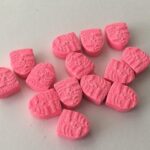
The ecstasy meaning can change depending on context. In substance-use discussions, it usually refers to MDMA sold in tablet, capsule, powder, or crystal-like forms. However, a name, color, logo, shape, or claimed form does not confirm what a substance contains. Products sold as MDMA may contain other substances or unexpected mixtures.
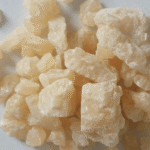
Common search terms include ecstasy pills, molly mdma, and molly mdma crystal. These phrases may describe how a substance is marketed, but they should never be treated as proof of purity, dose, quality, or safety.
How MDMA Affects the Brain and Body
MDMA primarily affects neurotransmitters such as serotonin, dopamine, and norepinephrine. These chemicals influence mood, sleep, appetite, and emotional regulation. Increased serotonin levels may contribute to feelings of empathy or emotional closeness, while dopamine can affect reward and motivation.
However, these changes can also disrupt normal brain function. After the effects wear off, individuals may experience fatigue, irritability, or low mood due to depleted neurotransmitter levels. Repeated exposure may increase the risk of longer-term cognitive or emotional challenges.
Key Benefits of Ecstasy/Molly Reliable Ecstasy and Molly Information
Accurate public-health information helps people, families, educators, and communities make safer decisions. In particular, a responsible resource provides clear, evidence-based information without encouraging drug use. For example, it can help readers:
- Understand the difference between slang terms and medical terminology.
- Recognize possible ecstasy effects and warning signs.
- Learn about the short-term effects of ecstasy without normalizing use.
- Identify when urgent medical support may be needed.
- Find evidence-based treatment, counseling, and recovery resources.
- Avoid misinformation found in social media posts, online forums, or unverified product pages.
Furthermore, reliable information matters because products sold as MDMA or Ecstasy can vary in composition, strength, and purity. As a result, users cannot assume that a product contains only the advertised substance. Accordingly, understanding the potential health risks and warning signs is essential for informed decision-making. For example, the National Institute on Drug Abuse notes that MDMA, commonly called Ecstasy or Molly, can alter mood, perception, and body temperature while also carrying significant health risks. Therefore, anyone with concerns about MDMA exposure or its effects should seek guidance from qualified healthcare professionals or trusted public-health resources.
Features and Support Services Covered by This Guide
MDMA vs Ecstasy: Is There a Difference?
Searches for mdma vs ecstasy, mdma vs molly, molly vs mdma, is molly and mdma the same, and is molly the same as mdma are common because the terms are often used interchangeably.
MDMA is the chemical name for 3,4-methylenedioxymethamphetamine. “Ecstasy” often refers to tablets or pills marketed as containing MDMA, while “Molly” is commonly used for powder or crystal-like products claimed to be MDMA. In real-world illicit markets, these labels do not guarantee content, strength, or purity.
Why Is MDMA Called Molly?
For readers asking why is mdma called molly, the word “Molly” is often linked to “molecular,” implying a supposedly purer or crystal-like form of MDMA. That implication is unreliable. A substance sold as Molly can still be mixed with other drugs or contain no MDMA at all.
Ecstasy Effects and Short-Term Health Risks Ecstasy/Molly
Potential ecstasy effects may include changes in energy, mood, perception, body temperature, heart rate, blood pressure, sleep, and appetite. Some people also experience anxiety, confusion, jaw clenching, nausea, dehydration, overheating, or distressing psychological symptoms.
The terms short term effects of ecstasy and ecstasy short term effects commonly refer to immediate or near-term risks such as:
- Increased body temperature and sweating
- Faster heartbeat or raised blood pressure
- Agitation, anxiety, panic, or confusion
- Muscle tension or jaw clenching
- Nausea, dizziness, and poor coordination
- Sleep disruption and low mood afterward
- Greater risk when substances are combined with alcohol, stimulants, or other drugs
Individual reactions vary, and risk can increase in crowded, hot, physically demanding environments.
Long-Term Risks and Potential Complications of Ecstasy/Molly
While many discussions focus on immediate effects, repeated or high-dose exposure may contribute to longer-term concerns, including:
- Memory and attention difficulties
- Mood disorders such as depression or anxiety
- Sleep disturbances
- Increased risk of substance dependence
- Possible cardiovascular strain over time
Research is ongoing, and outcomes vary widely depending on frequency of use, dosage, and individual health factors.
Process: What to Do When Someone May Be Unwell
If someone has taken a substance believed to be ecstasy, Molly, or MDMA and becomes severely confused, overheated, unconscious, has chest pain, experiences a seizure, or has trouble breathing, treat it as a medical emergency. Contact local emergency services immediately.
While help is on the way:
- Stay with the person and keep the environment calm.
- Move them away from heat or crowds when possible.
- Do not leave an unconscious person alone.
- Give responders accurate information about suspected substances, timing, and visible symptoms.
- Do not assume a pill, powder, or crystal label identifies what was actually taken.
This guidance is for emergency response, not self-treatment. Professional medical assessment is important because Ecstasy/Molly unregulated substances can contain unexpected ingredients.
Prevention and Harm Reduction Awareness of Ecstasy/Molly
While abstinence is the safest option, harm reduction education aims to reduce risks for individuals who may encounter these substances. Key awareness points include:
- Avoid mixing substances, especially with alcohol or stimulants.
- Stay hydrated, but avoid excessive water intake.
- Take breaks from physical activity in hot environments.
- Be aware of mental health changes after use.
- Seek medical help if unusual symptoms occur.
These measures do not eliminate risk but may help reduce potential harm.
Why Choose Evidence-Based Information?
A trustworthy educational page should prioritize health, accuracy, and support over sensational claims. It should:
- Explain MDMA terminology without glamorizing it.
- Avoid claims about “safe,” “pure,” or “best” products.
- Clarify that appearance and branding cannot verify ingredients.
- Use public-health sources and medical guidance.
- Encourage treatment, counseling, and crisis support when needed.
Substance-use treatment can include behavioral health support, counseling, recovery services, and care plans based on individual needs. SAMHSA provides information on treatment pathways and support for substance use disorders.
Industry-Relevant Information and Search Intent Clarification(Ecstasy/Molly)
The word “ecstasy” has several meanings of Ecstasy/Molly outside substance-related searches. Clear semantic coverage helps readers and search engines distinguish these entities correctly.
- ecstasy of saint teresa refers to Gian Lorenzo Bernini’s famous Baroque sculpture, not MDMA.
- spirit of ecstasy refers to the hood ornament associated with Rolls-Royce vehicles.
- ecstasy (film) may refer to one of several films with the title “Ecstasy.”
- ecstasy crossword clue is a puzzle-related search query and may refer to answers such as “rapture,” “bliss,” or “joy,” depending on clue length.
- crowea poorinda ecstasy refers to an ornamental Australian plant cultivar and is unrelated to drugs.
This page focuses only on health education related to MDMA, Ecstasy, and Molly terminology.

