


Liquid Ketamine Medical Safety
$195.00 – $290.00Price range: $195.00 through $290.00
Liquid Ketamine Medical Safety provides clear, medically responsible information for people researching liquid formulations of ketamine.
Guaranteed Safe Checkout

Liquid Ketamine Medical Safety
Liquid Ketamine Medical Safety provides clear, medically responsible information for people researching liquid formulations of ketamine, clinical ketamine treatment, prescription requirements, and supervised care. Ketamine is a medication that must only be assessed, prescribed, stored, and administered by qualified healthcare professionals in accordance with local laws and clinical protocols.
This page explains what patients may encounter in a regulated medical setting, what questions to ask a provider, and why online products, unverified suppliers, self-treatment, or non-medical preparation can create serious health and legal risks.
Understanding Liquid Ketamine in Medical Settings
People often ask whether ketamine liquid exists and what it is used for. In regulated healthcare settings, ketamine may be supplied in sterile medical formulations for professional administration. Its form, dose, route, monitoring requirements, and suitability depend on the patient’s condition, medical history, treatment plan, and local regulations.
Common patient questions include:
- is ketamine a liquid
- is ketamine liquid
- is ketamine liquid or solid
- is ketamine a liquid or powder
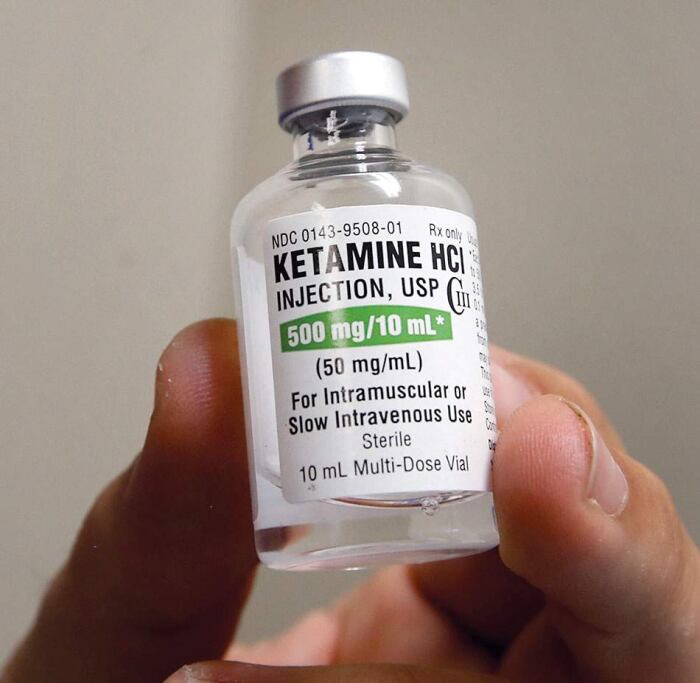
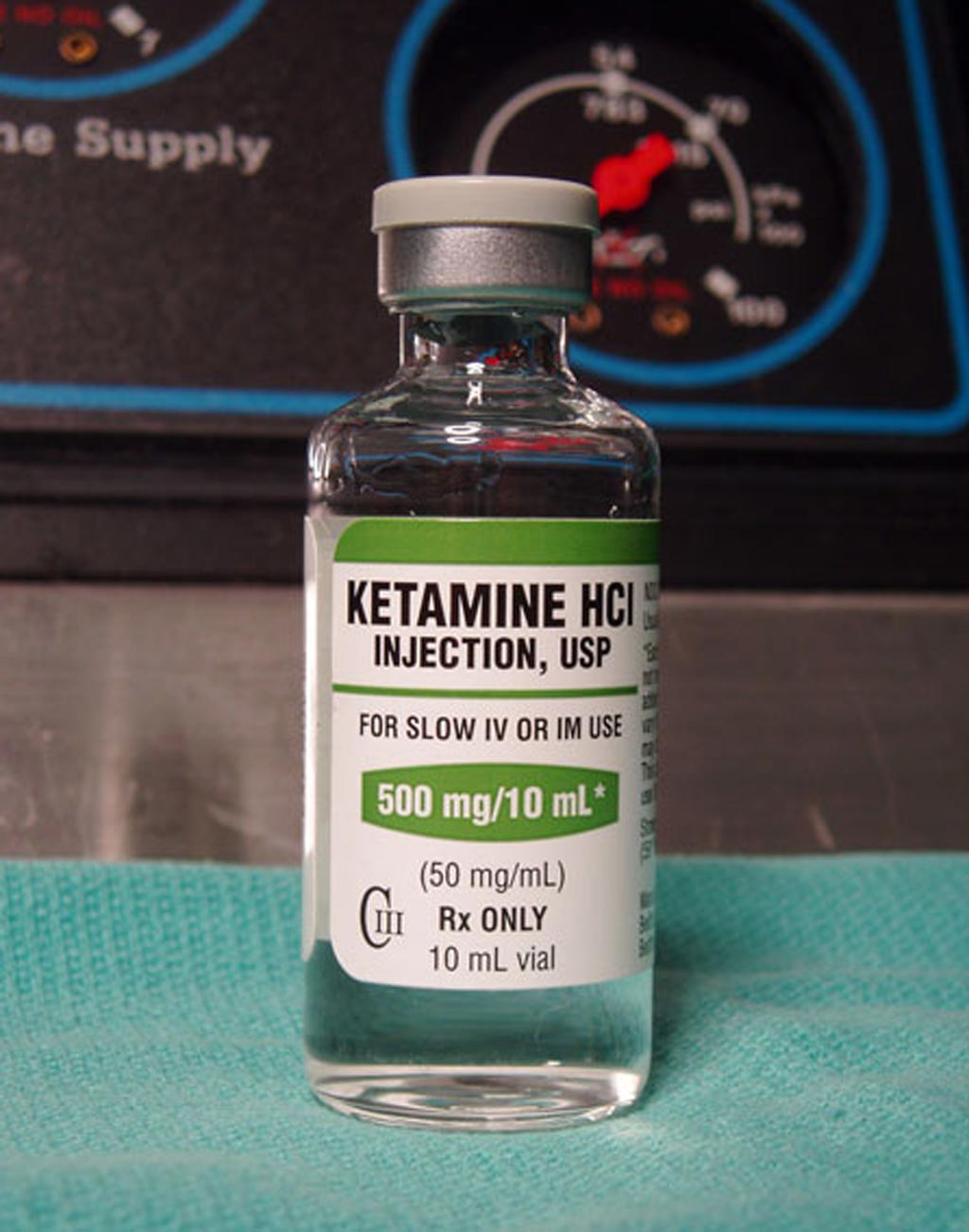
- what does liquid ketamine look like
- what does ketamine look like in liquid form
- ketamine vial liquid
- ketamine liquid vial medical
- ketamine liquid spc
A licensed clinician or pharmacist can explain the approved formulation used by a clinic, including its labeling, storage requirements, safety information, and patient monitoring process.
Key Benefits of Professional Medical Assessment
A legitimate ketamine care pathway begins with a medical evaluation rather than an online purchase. Professional assessment helps determine whether a person may be eligible for a lawful treatment plan and whether ketamine is appropriate for their circumstances.
Benefits of regulated clinical care can include:
- Medical screening before treatment
- Individualized assessment of risks and contraindications
- Use of approved, properly stored medication
- Professional dosage decisions based on clinical need
- Monitoring during and after treatment
- Access to follow-up care and mental health support where appropriate
- Clear patient consent, documentation, and safety guidance
Patients should never rely on informal advice about how to take liquid ketamine, how to use liquid ketamine, or unverified online instructions. Medical administration requires professional judgment and appropriate patient monitoring.
Safety, Storage, and Medication Verification
When researching ketamine liquid, focus on regulated medication safety rather than online availability. Authentic medical products are handled through authorized healthcare channels, pharmacy systems, and licensed providers.
Important safety considerations include:
Verify the Healthcare Provider
Choose a provider who can clearly explain:
- Their clinical qualifications and licensing
- The reason ketamine is being considered
- Treatment goals and alternatives
- Required assessment and monitoring
- Expected follow-up process
- Possible side effects and safety precautions
Avoid Unverified Online Offers
Searches such as buy liquid ketamine online, buy ketamine liquid online, buy ketamine hcl liquid online, order ketamine liquid, liquid ketamine for sale, ketamine liquid for sale, buy liquid ketamine online uk, buy ketamine liquid, and liquid ketamine suppliers may expose people to counterfeit products, unsafe substances, fraud, or illegal activity.
A reputable medical provider will not encourage self-dosing, anonymous purchasing, unverified imports, or treatment without medical screening.
Why Self-Preparation Is Unsafe
Some people search for terms such as how to cook liquid ketamine or ketamine powder to liquid. These activities are unsafe and may be illegal. Preparing, altering, mixing, or converting controlled medications outside a licensed medical or pharmacy environment can create contamination risks, inaccurate dosing, overdose concerns, and severe legal consequences.
Only licensed pharmacies, healthcare facilities, and authorized professionals should handle medication preparation under applicable standards.
How a Legitimate Ketamine Treatment Process Works
A regulated ketamine treatment journey generally involves several careful steps.
1. Initial Consultation
A qualified clinician reviews symptoms, treatment history, current medications, physical health, mental health history, and possible contraindications.
2. Clinical Eligibility Review
The provider determines whether ketamine-based treatment may be appropriate and discusses evidence-based alternatives where needed.
3. Informed Consent
Patients receive information about potential benefits, risks, side effects, treatment expectations, safety rules, and follow-up care.
4. Supervised Treatment Plan
The clinician determines the suitable clinical setting, formulation, timing, and monitoring plan. Patients should follow only the instructions provided by their licensed healthcare team.
5. Follow-Up and Ongoing Support
Follow-up appointments help clinicians assess outcomes, side effects, wellbeing, and whether the treatment plan needs adjustment.
Why Choose a Licensed Ketamine Provider
A responsible provider prioritizes patient safety over fast sales or unrealistic promises. Look for a clinic or healthcare professional that offers:
- Transparent medical credentials
- Clear information about treatment eligibility
- Proper medication handling procedures
- Patient monitoring and aftercare
- Honest discussion of risks and limitations
- Privacy, consent, and medical documentation
- Coordination with other healthcare professionals where appropriate
Avoid providers or websites that make guarantees, promote unsupervised use, focus on purchase-only language, or fail to explain medical oversight.
Industry-Relevant Information for Patients
Ketamine is a prescription medicine with established medical uses in controlled healthcare environments. It has historically been used in anesthesia and procedural care because it can produce anesthesia while affecting pain perception, awareness, and consciousness. However, its suitability, formulation, route of administration, and level of monitoring depend on the patient’s condition, the treatment setting, the clinician’s judgment, and the laws that apply in that location.
For patients, the most important point is simple: ketamine should never be treated as a general consumer product. It is a medicine that requires professional assessment, clear clinical reasoning, appropriate handling, and follow-up support. A clinic should explain why ketamine is being considered, what the intended treatment goal is, what alternatives are available, and what safety procedures are in place.
In regulated medical care, healthcare teams may discuss ketamine in relation to anesthesia, pain management, specialist treatment pathways, and clinical research. The exact use may differ across hospitals, clinics, countries, and patient groups. Patients should always ask their own provider how ketamine relates to their specific diagnosis, medication history, physical health, and treatment plan.
Ketamine in Anesthesia and Procedural Care
Ketamine has long been used in medical settings as an anesthetic medication. In these settings, trained professionals assess the patient before treatment, monitor vital signs, manage the treatment environment, and provide support during recovery.
Healthcare professionals may consider factors such as:
- Blood pressure and heart health
- Breathing and respiratory history
- Current medication use
- Previous reactions to anesthesia
- Allergies and medication sensitivities
- Liver or kidney health
- Mental health history
- Substance-use history
- Pregnancy status where relevant
- Ability to arrange safe recovery and aftercare
Official prescribing information warns that ketamine can affect blood pressure, heart rate, breathing, and recovery experiences. It may also be unsuitable for people for whom an increase in blood pressure could create a serious medical risk.
Ketamine and Specialist Mental Health Care
Some specialist mental health providers may discuss ketamine-related treatment options for carefully selected patients. This type of care should always begin with a detailed clinical assessment rather than a product request or online order.
A responsible provider should explore the person’s symptoms, treatment history, current support, medication use, medical risks, and mental-health needs. They should also explain that ketamine-based treatment is not appropriate for every person and may not be the first option considered.
A proper mental health consultation may include discussion of:
- Current symptoms and how long they have been present
- Previous therapy, medication, or psychiatric treatment
- Family history of mental illness
- History of psychosis, mania, or severe dissociation
- Current alcohol or drug use
- Suicide risk or self-harm concerns
- Existing physical-health conditions
- Current medicines and potential interactions
- Social support after treatment
- Ongoing therapy or mental-health follow-up
The Food and Drug Administration has warned that ketamine products may involve risks including psychiatric events, increased blood pressure, slowed breathing, misuse, and bladder or urinary symptoms. These risks are part of why professional assessment and monitoring matter.
Prescription Medicine and Controlled Medication Standards
Ketamine is handled as a controlled prescription medicine in many jurisdictions. This means healthcare providers, pharmacies, clinics, and hospitals are expected to follow strict procedures for prescribing, storage, record keeping, dispensing, administration, and disposal.
Patients do not need to understand every legal or pharmacy requirement. However, they should expect a legitimate provider to take medication safety seriously. A reputable clinic should be able to explain where medication is sourced, how patient records are protected, what safety checks are completed, and how follow-up care works.
Professional medication standards usually include:
- Verified patient identity
- Medical assessment before treatment
- Secure prescription processes
- Proper pharmacy supply channels
- Correct medication labeling
- Controlled storage procedures
- Documentation of treatment decisions
- Monitoring during clinical care
- Clear discharge and aftercare information
- Procedures for reporting side effects or safety concerns
The presence of medical terminology, a vial image, a product listing, or an online payment page does not prove that a seller or clinic is legitimate. Authentic healthcare depends on accountable clinicians, valid prescription systems, proper medicine handling, and transparent patient care.
Medication Formulations and Clinical Terminology
Patients may see different terms online when researching ketamine. These terms can be confusing because they may describe a medical formulation, packaging format, concentration, clinic protocol, or informal search phrase rather than a specific treatment recommendation.
Common healthcare-related terms include:
- Ketamine hydrochloride
- Ketamine injection
- Sterile solution
- Single-dose vial
- Multi-dose vial
- Prescription medicine
- Controlled medication
- Pharmacy dispensing
- Clinical administration
- Medical supervision
- Patient monitoring
- Informed consent
- Treatment protocol
- Recovery observation
- Follow-up review
A clinician or pharmacist can explain the terminology that applies to your care. Patients should never make assumptions about a medicine’s strength, suitability, safety, or route of administration based on online descriptions alone.
Why Product Appearance Is Not a Safety Check
People commonly search for information about what ketamine looks like in liquid form, what a ketamine vial looks like, or how to recognise a medical product. However, appearance alone cannot confirm whether a substance is genuine, safe, correctly labelled, sterile, appropriately stored, or suitable for medical use.
A liquid medicine may vary in packaging, label design, vial size, concentration, manufacturer details, and storage instructions. Even a professional-looking package can be misleading when it comes from an unverified source.
Patients should not rely on:
- Product photographs from unknown websites
- Labels shared on social media
- Descriptions from anonymous sellers
- Claims made in online marketplaces
- Packaging comparisons from forums
- Informal advice about identifying a medicine
- Unverified product reviews
Instead, medication questions should be directed to a licensed pharmacist, doctor, clinic, or hospital team.
Clinical Supervision and Patient Monitoring
Clinical supervision is one of the clearest signs of responsible ketamine care. Depending on the setting and treatment plan, the healthcare team may monitor physical and psychological wellbeing before, during, and after treatment.
Monitoring may include checking:
- Blood pressure
- Heart rate
- Breathing
- Oxygen levels
- Consciousness and alertness
- Anxiety or distress levels
- Confusion or dissociation
- Pain or discomfort
- Recovery progress
- Readiness to leave the clinic safely
Official product information highlights potential hemodynamic instability, emergence reactions, respiratory depression, and other clinically important risks. This is why ketamine should only be administered and monitored by trained professionals in an appropriate medical setting.
Informed Consent and Shared Decision-Making
A good treatment process should never feel rushed. Before ketamine is used in a healthcare setting, patients should receive clear information about the proposed treatment and have an opportunity to ask questions.
Informed consent means the patient understands:
- Why ketamine is being considered
- What the possible benefits may be
- What side effects or risks may occur
- What alternatives are available
- What the treatment experience may involve
- What monitoring will be provided
- What aftercare or follow-up is recommended
- When to seek urgent medical attention
- How to contact the clinic with concerns
Shared decision-making also means a patient can ask for time to consider the information, involve a trusted family member where appropriate, or discuss options with another healthcare professional.
Potential Side Effects and Recovery Considerations
Every medicine can have side effects, and ketamine is no exception. The exact risks can vary based on the patient, medical history, medication formulation, treatment setting, and clinical protocol.
A provider should discuss possible short-term effects, which may include changes in perception, confusion, dizziness, nausea, drowsiness, changes in blood pressure, or temporary anxiety. Some people may experience unusual dreams, hallucination-like experiences, or a feeling of detachment from their surroundings during recovery.
The FDA and official prescribing information also identify risks that may include misuse, psychiatric events, respiratory depression, increased blood pressure, and urinary or bladder symptoms.
Patients should immediately tell their healthcare provider about:
- Severe anxiety or agitation
- Breathing difficulty
- Chest pain
- Severe headache
- Fainting or loss of consciousness
- Extreme confusion
- Ongoing vomiting
- Severe urinary pain or changes
- New or worsening mental-health symptoms
- Thoughts of self-harm or immediate safety concerns
The Importance of Follow-Up Care
Ketamine-related treatment should not end when a clinic appointment ends. Follow-up care helps the provider understand how the patient is feeling, whether side effects have occurred, whether treatment goals are being met, and whether any changes are required.
A follow-up plan may involve:
- A post-treatment check-in
- Review of physical side effects
- Mental-health assessment
- Medication review
- Coordination with a GP or primary-care provider
- Therapy or counselling support
- Referral to a specialist where needed
- Safety planning for vulnerable patients
- Discussion of next steps and alternatives
A clinic that provides no aftercare, no contact details, no safety advice, or no clear treatment documentation should be treated with caution.
How to Assess a Legitimate Ketamine Clinic
Patients should choose a provider based on safety, transparency, qualifications, and the quality of care rather than quick promises or low-cost advertising.
A reliable clinic should provide:
- Clear clinician names and professional credentials
- A real consultation before treatment
- Transparent information about risks and limitations
- A documented consent process
- Safe medication sourcing and handling
- Appropriate clinical monitoring
- Privacy and patient confidentiality
- Clear aftercare and follow-up procedures
- Honest answers about suitability and alternatives
- Emergency procedures where relevant
Be cautious of websites or providers that offer medication without an assessment, avoid discussing risks, make guaranteed claims, focus only on price, encourage self-treatment, or refuse to explain clinician qualifications.
Patient Education Summary
The safest approach to ketamine information is to focus on medically supervised care, licensed providers, prescription safety, and informed decision-making. Ketamine may have a role in specific clinical settings, but it is not suitable for self-treatment, casual experimentation, or anonymous online purchasing.
Patients deserve clear answers, respectful care, reliable medical advice, and a treatment plan built around their individual health needs. Always speak with a licensed healthcare professional before making decisions about ketamine or any controlled medication.
