LSD Blotter Tabs Close Up
LSD Blotter Tabs Close Up is an educational awareness resource for people seeking clear, responsible information about LSD blotter paper, printed tab sheets, visual patterns, safety concerns, and the limits of visual identification. A label such as “100ug” should never be treated as proof of a substance’s identity, purity, or strength. Appearance, artwork, color, and perforation patterns cannot reliably confirm what a paper tab contains.
This page is designed for informational search intent. It helps readers understand commonly searched visual terms, recognize why assumptions based on colorful paper sheets can be risky, and find practical guidance on when to seek professional help. It does not promote buying, selling, or using controlled substances.
What Are LSD Blotter Tabs?
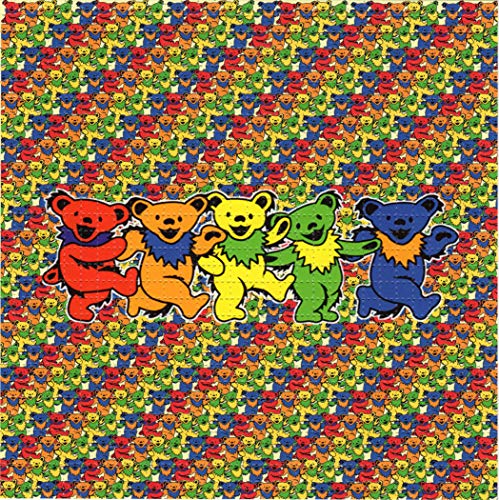
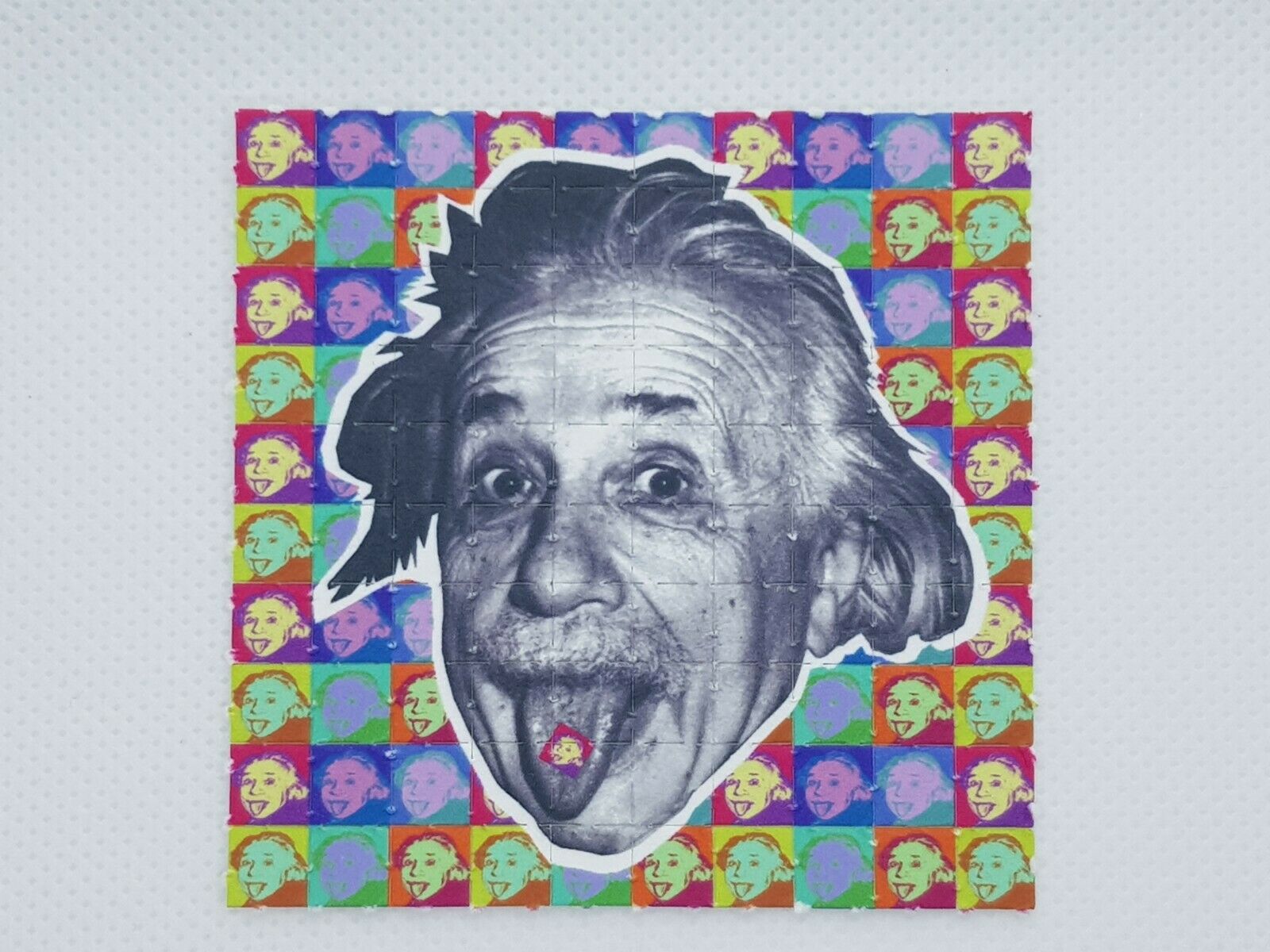
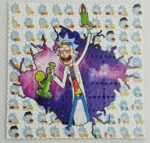
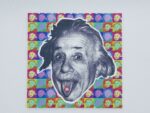
LSD blotter tabs are small pieces of absorbent paper that may be printed, perforated, or decorated with artwork. In public discussion, people often use terms such as blotter paper, tab sheet, colorful squares, printed paper, and close-up blotter imagery. However, visual design is not a scientific method of identification.
A colorful sheet, bright pattern, logo, or macro photograph may look distinctive, but these visual features do not verify the material placed on the paper. Similar-looking sheets can vary widely, and a label or claimed amount may be inaccurate. For this reason, responsible education should always prioritize uncertainty, safety awareness, and evidence-based information over visual assumptions.
Key Benefits of Safety-Focused Information
A reliable educational page offers more than basic descriptions. Instead, it explains the difference between visual appearance and verified information. As a result, readers are less likely to rely on rumors, misleading online images, or marketplace language.
In addition, safety-focused content improves the user experience by answering common questions clearly and responsibly. For example, people searching for blotter tabs, colorful paper sheets, or close-up blotter tabs may simply want image references, photography information, health awareness, or general background knowledge. Therefore, a trustworthy resource provides accurate context without encouraging unsafe assumptions.
Clear Awareness for Visual Searches
Many visual searches focus on the appearance of colorful blotter paper or small printed paper squares. In some cases, users look for editorial photography, documentary images, artistic references, or educational material rather than product information.
However, writers and publishers should always use visual descriptions carefully. Although a paper tab may display colorful artwork, logos, or unique patterns, these features cannot confirm its identity, contents, purity, or strength. Therefore, readers should never rely on appearance alone as evidence.
Better Decision-Making Through Reliable Context
Responsible information encourages readers to avoid relying on packaging claims, online listings, informal labels, or visual comparisons. Instead, it promotes informed decision-making through trustworthy health information and evidence-based guidance.
Furthermore, anyone with concerns about a substance should seek advice from qualified healthcare professionals or local emergency services when necessary. According to the National Institute on Drug Abuse (NIDA), psychedelic substances can produce a wide range of emotional and perceptual effects, including fear, anxiety, and distress.
Features of an Educational LSD Blotter Tabs Resource
A high-quality educational resource presents information in a clear, balanced, and non-judgmental manner. In addition, it explains the limits of visual identification and avoids unsupported claims about purity, potency, or safety.
Useful page features may include:
- Clear explanations of blotter paper terminology
- Editorial descriptions of colorful paper sheets
- Information explaining why appearance does not verify contents
- Safety-focused guidance for uncertain situations
- Advice about when emergency medical assistance may be appropriate
- Neutral information for readers, families, educators, and researchers
- Frequently asked questions written in plain language
Visual and Image Context Keywords
The following keywords commonly appear in searches related to educational images, editorial photography, accessibility descriptions, and close-up blotter paper visuals. Writers should use these terms naturally and only when they accurately describe the image or page content.
Relevant keywords include lsd blotter paper tabs macro, lsd blotter paper colorful tabs, lsd blotter tabs colorful sheet, lsd blotter tabs close up, lsd blotter tabs colorful, lsd blotter paper colorful tabs macro, lsd blotter paper tabs, lsd blotter paper tabs colorful squares, lsd blotter paper tabs colorful close up, lsd blotter paper tabs close up, lsd blotter tabs, lsd blotter tabs colorful paper, lsd blotter tabs macro, and lsd blotter paper tabs colorful.
However, writers should include these keywords only when they accurately match the visual content. For example, an editorial photo caption may describe a close-up image of colorful perforated blotter paper while also explaining that appearance alone cannot confirm composition, authenticity, purity, identity, or strength. Therefore, readers should avoid drawing conclusions based solely on color, artwork, printed designs, or paper patterns.
How to Evaluate Information Responsibly
When viewing a blotter paper image or reading an online discussion, avoid making conclusions based only on appearance. Color, artwork, paper texture, perforation size, and printed designs cannot reliably identify a substance or predict its effects.
Instead, consult trusted health organizations and qualified medical professionals. Official public health resources provide more reliable guidance than anonymous online posts, marketplace listings, or product-style descriptions. Therefore, personal opinions found online should never replace evidence-based medical information.
Why Labels and Visual Claims Can Be Misleading
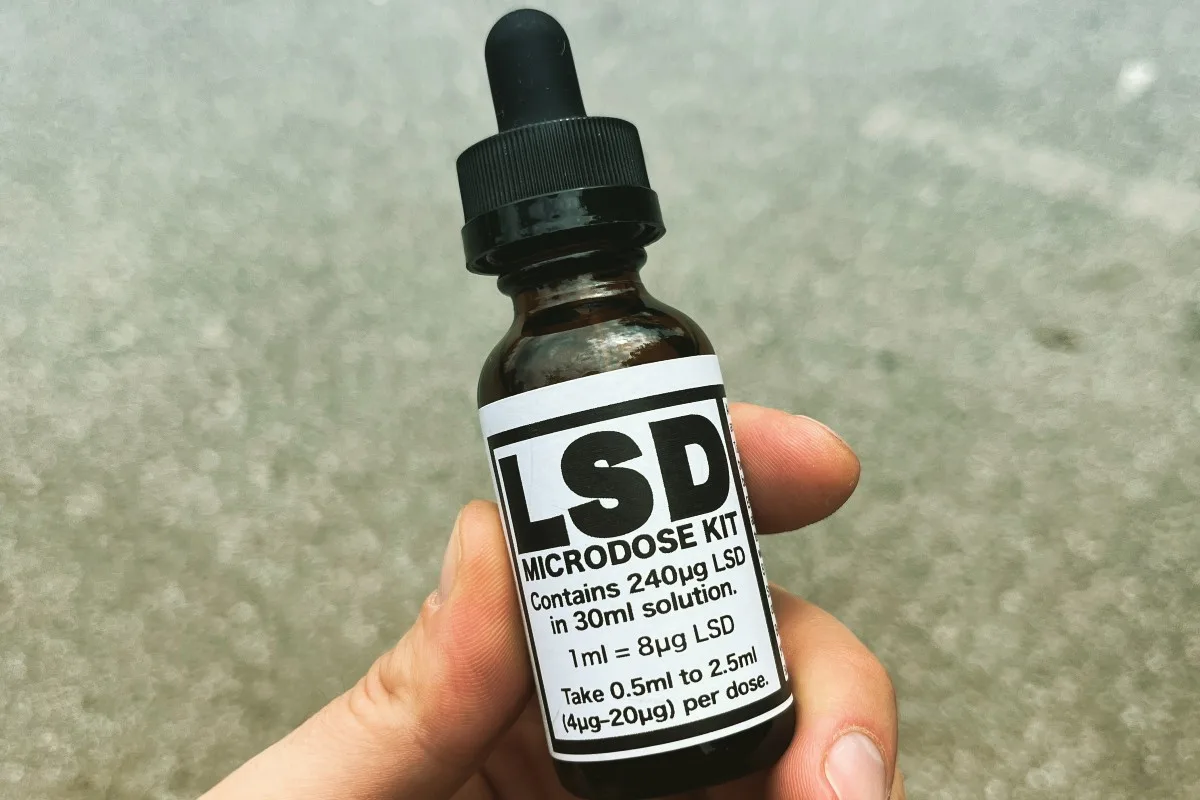
A printed label such as 100ug may appear precise. However, only independent laboratory analysis can confirm that claim. Likewise, professional-looking packaging, colorful artwork, or high-quality photographs cannot verify authenticity, purity, or strength.
Because individual experiences vary, no responsible educational resource should guarantee effects or safety. In addition, people with certain medical conditions, mental health concerns, or medication interactions may face greater risks. According to NIDA, possible adverse effects of LSD may include headache, nausea, and changes in heart rate.
Why Choose a Safety-First Educational Resource?
A safety-first resource helps readers find balanced information instead of sensational or promotional content. People often search these topics because they are curious, concerned, conducting research, exploring photography, or trying to understand what they have encountered.
Moreover, search engines and AI-powered search tools increasingly reward content that demonstrates accuracy, transparency, and user value. Therefore, educational information that explains uncertainty honestly provides greater value than unsupported claims or misleading descriptions.
Built for Informational and Voice Search Intent
Many users ask questions in a natural way, including:
- What do LSD blotter tabs look like?
- Can blotter paper be identified by color?
- What does a colorful blotter sheet mean?
- Does a 100ug label confirm strength?
- What should I do if someone is having a bad reaction?
This educational guide answers those questions with responsible, evidence-based information. At the same time, it reminds readers that visual appearance cannot confirm a substance’s identity and that medical emergencies require professional assistance.
Industry-Relevant Information and Responsible Content Standards (LSD)
Publishers, educators, photographers, and website owners should approach this topic responsibly. Image keywords should accurately match the visual content on the page and should never become misleading medical or product information.
In addition, a trustworthy educational page may include photography descriptions, public health information, and clearly labeled safety guidance. However, it should never provide instructions for obtaining, using, producing, concealing, or distributing controlled substances.
Content Quality Checklist(LSD)
Before publishing educational content about blotter paper imagery, review the following checklist:
- Keep the content educational, balanced, and safety-focused.
- Avoid sales language, pricing information, delivery claims, or purchase prompts.
- Do not suggest that appearance confirms identity, purity, dosage, or authenticity.
- Use image-related keywords only when they accurately describe the images on the page.
- Include clear public health and emergency guidance where appropriate.
- Write in plain English so readers can understand the information easily.
- Review the content regularly to maintain accuracy, reflect current evidence, and comply with local laws and regulations.
Following these practices improves content quality and supports responsible communication. In addition, readers receive clear, trustworthy information without making unsafe assumptions based on appearance alone.