

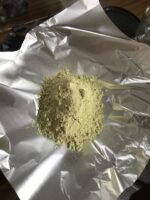
Mescaline Powder Risks Legality
$150.00 – $400.00Price range: $150.00 through $400.00
Mescaline Powder Risks Legality is an educational guide for people searching for clear, responsible information about mescaline.
Guaranteed Safe Checkout

Mescaline Powder Risks Legality
Mescaline Powder Risks Legality is an educational guide for people searching for clear, responsible information about mescaline, its sources, possible effects, legal status, and health risks. This page is not a product listing and does not provide purchasing, preparation, dosage, or use guidance. Instead, it helps readers understand the facts, recognize misleading claims, and find appropriate medical or legal support when needed.
People may search for what is mescaline, what is mescalin, or what is the drug mescaline because spellings and online descriptions vary. Mescaline is a hallucinogenic psychoactive compound associated with certain cacti, including peyote. It can alter perception, mood, thinking, and sensory experience, while also creating significant physical and psychological risks. In the United States, the DEA classifies mescaline and peyote as Schedule I controlled substances, although limited religious exemptions may apply in specific legal contexts.
Key Benefits of Reliable Mescaline Information
Accurate information helps people separate health facts from myths, social media claims, and unsafe product marketing. Many people search for mescaline drug, mescaline effects, and is mescaline legal because they have urgent questions about personal safety, a loved one’s behavior, or possible legal consequences. Therefore, a trusted educational resource should answer those questions clearly without encouraging use or minimizing risk.
In addition, clear content helps readers understand that a “natural” source does not automatically make a substance safe. Mescaline-related compounds can cause changes in perception, anxiety, confusion, nausea, vomiting, increased heart rate, increased blood pressure, overheating, impaired coordination, and hallucinations. However, the intensity and level of risk depend on the individual, the environment, mental health history, other substances involved, and the unknown contents of an unregulated product.
What People Commonly Want to Know
Readers often look for answers to questions such as:
- What are the short-term and long-term mescaline effects?
- Are mescaline cacti and laboratory-made substances the same thing?
- Is a mescaline cactus legal to grow, possess, sell, or transport?
- What does is legal mean in a specific country, state, or province?
- What should someone do if they feel unsafe after taking an unknown substance?
- How do mescaline vs DMT comparisons differ in chemistry, legal status, and risk profile?
Features and Educational Services
This page serves as a responsible knowledge hub for individuals, families, educators, recovery professionals, healthcare teams, and anyone seeking verified drug-safety information. It explains important terminology, corrects common misunderstandings, and directs readers toward appropriate professional support. At the same time, it does not present as a lifestyle product or commercial opportunity.
Furthermore, a well-structured resource should explain plant-based sources, synthetic compounds, legal uncertainty, health concerns, emergency warning signs, and media-related search queries. It should also remind readers that unknown powders, capsules, and online listings may contain mislabeled or contaminated substances. Therefore, appearance alone cannot confirm identity, purity, safety, or legality.
Mescaline Sources and Terminology
The phrase mescaline plant usually refers to plant sources that naturally contain mescaline, especially specific cacti. People also search for terms such as cacti, cactus, cactus, and peyote. However, people often use these phrases inconsistently online. Therefore, this guide explains that spelling differences do not make a substance safer, legal, or medically approved.
Peyote is a small cactus that naturally contains as its primary hallucinogenic compound. Moreover, peyote holds deep cultural and religious significance for many Indigenous communities. For that reason, educational content should respect these traditions and avoid sensational language, cultural appropriation, or claims that reduce traditional practices to recreational trends.
Natural, Synthetic, and Misleading Product Claims
Many people search for synthetic, or encapsulated after seeing powders, capsules, labels, or online advertisements. However, these terms do not confirm identity, quality, safety, or legality. Instead, they often describe unregulated or potentially illegal substances.
Additionally, manufacturers or sellers may mislabel products, mix them with other compounds, or advertise inaccurate potency claims. Therefore, readers should avoid self-diagnosis and self-treatment. Anyone who experiences severe anxiety, confusion, chest discomfort, overheating, loss of consciousness, or dangerous behavior should seek immediate medical care or contact local emergency services.
Process: How This Mescaline Educational Resource Works
This educational resource follows a safety-first approach. First, it explains the basic definition of mescaline and related search terms. Next, it distinguishes plant sources from synthetic or unknown products. Then, it discusses legal status carefully because laws vary across countries and frequently change.
Finally, it directs readers to qualified support. Someone concerned about possible exposure should contact a healthcare professional, poison control service where available, or emergency services if symptoms become severe. Likewise, anyone seeking legal information should verify local laws through official government authorities instead of relying on blogs, forums, or online sellers.
Legal Status and Compliance Mescaline
The question is mescaline legal does not have one universal answer. Instead, legal status varies by jurisdiction. In addition, local laws may treat plant ownership, extraction, possession, transportation, sale, and religious use differently.
For example, in the United States, federal law classifies and peyote as Schedule I substances. Although limited religious exemptions may apply in specific circumstances, people should not interpret those exceptions as general permission to possess, manufacture, buy, sell, or use mescaline. Therefore, anyone with legal concerns should consult a qualified legal professional familiar with local laws.
Why Choose a Mescaline Safety-First Information Source
A responsible educational resource avoids exaggerating benefits, normalizing risky behavior, or promoting controlled substances through commercial language. Instead, it provides practical context, acknowledges uncertainty, and encourages professional support whenever health or legal concerns arise.
Moreover, trustworthy content explains its limitations. It cannot diagnose medical conditions, identify unknown substances, determine legal status everywhere, or replace emergency medical care. As a result, readers can trust information that consistently places public safety ahead of clicks, sales, or sensational claims.
Responsible Content Standards
High-quality information about drug topics should:
- Use plain language and avoid glamorizing intoxication.
- Clearly explain physical, emotional, and legal risks.
- Distinguish medical information from legal advice.
- Avoid dosage, sourcing, extraction, purchasing, or concealment guidance.
- Respect the cultural importance of peyote and related traditions.
- Encourage emergency support whenever someone may be in danger.
- Link readers to trusted public-health, medical, and official legal resources.
Industry-Relevant Information for Health and Education Websites
Health publishers, harm-reduction organizations, mental health educators, legal-information platforms, and recovery resources should follow strong editorial standards when covering mescaline. For example, writers should use medically cautious language, cite credible public-health sources, update legal information regularly, and avoid unsupported therapeutic claims.
Additionally, search intent varies widely. Some visitors want a basic definition, while others research health effects, worry about a loved one, or search for entertainment references. Therefore, an effective educational page organizes each topic clearly instead of mixing drug-safety information with commercial content or unrelated media.
Entertainment and Pop-Culture Search Queries
Some users search for Five Go Mad onor Five Go Mad on cast because they are looking for entertainment-related information. However, these searches differ from health and legal questions. Therefore, a brief FAQ should explain that television programs, films, or other media references cannot replace medical guidance, legal advice, or evidence-based information about real-world safety.