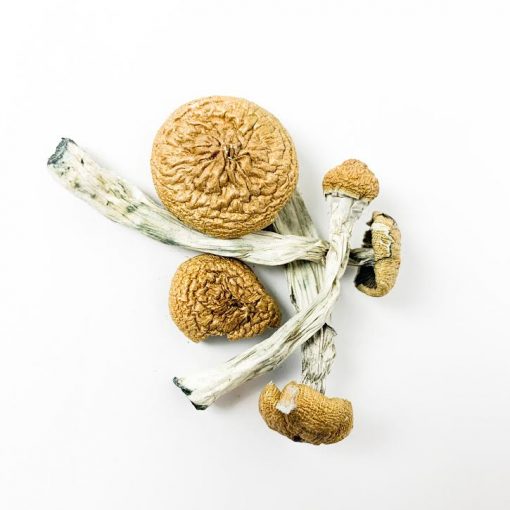
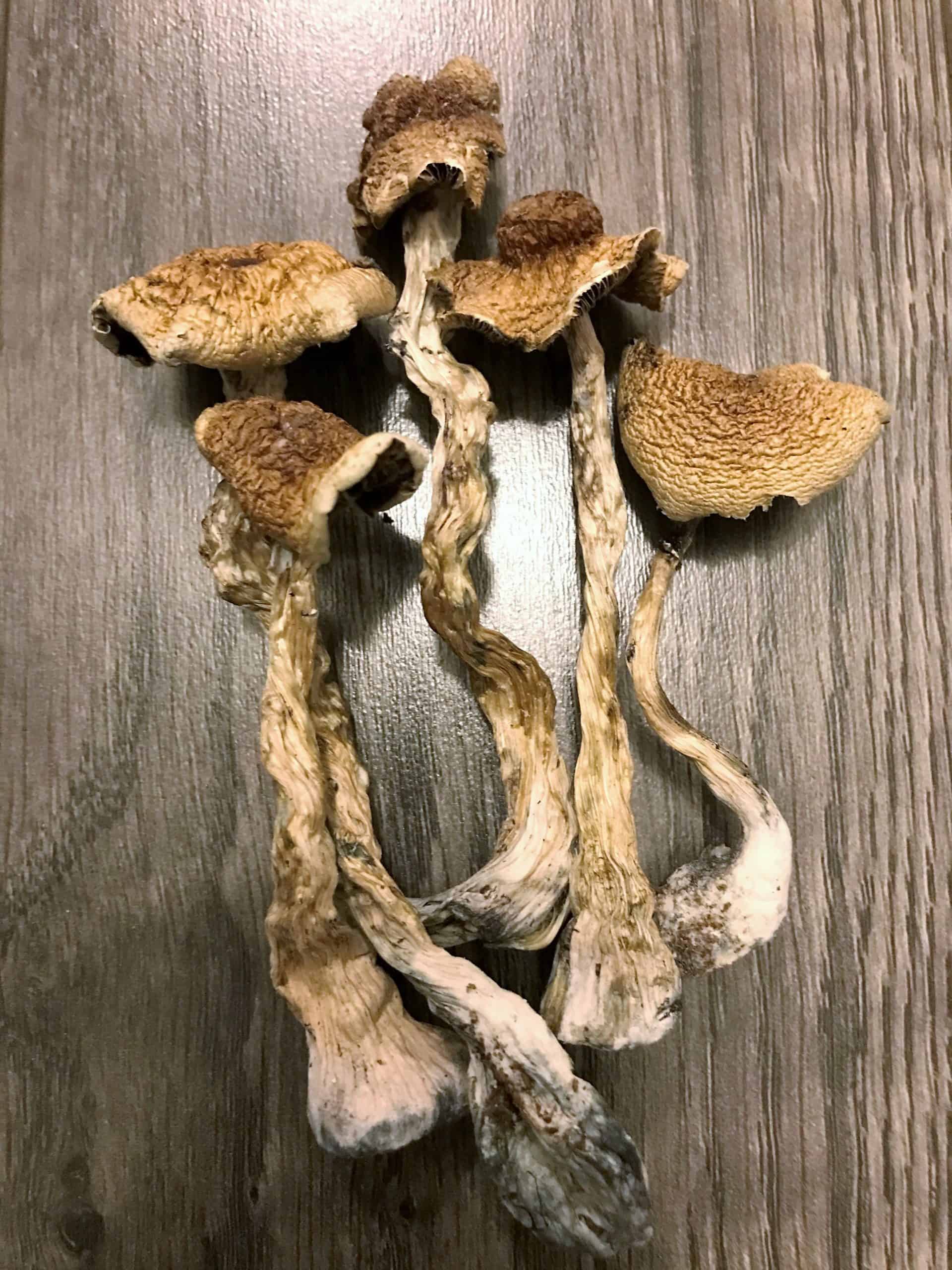
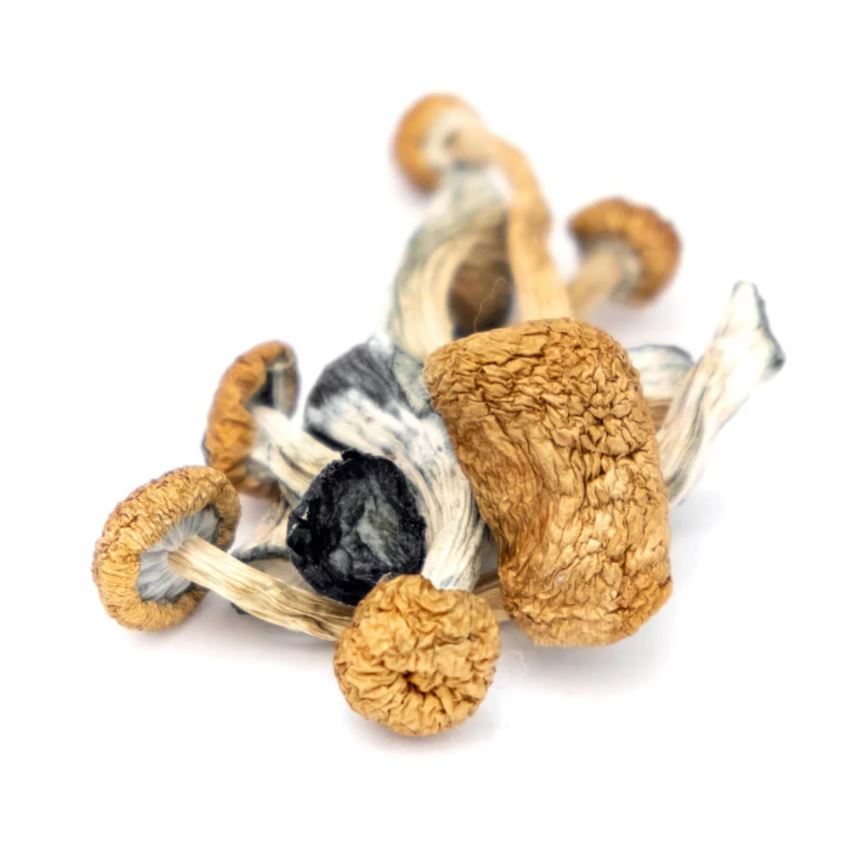
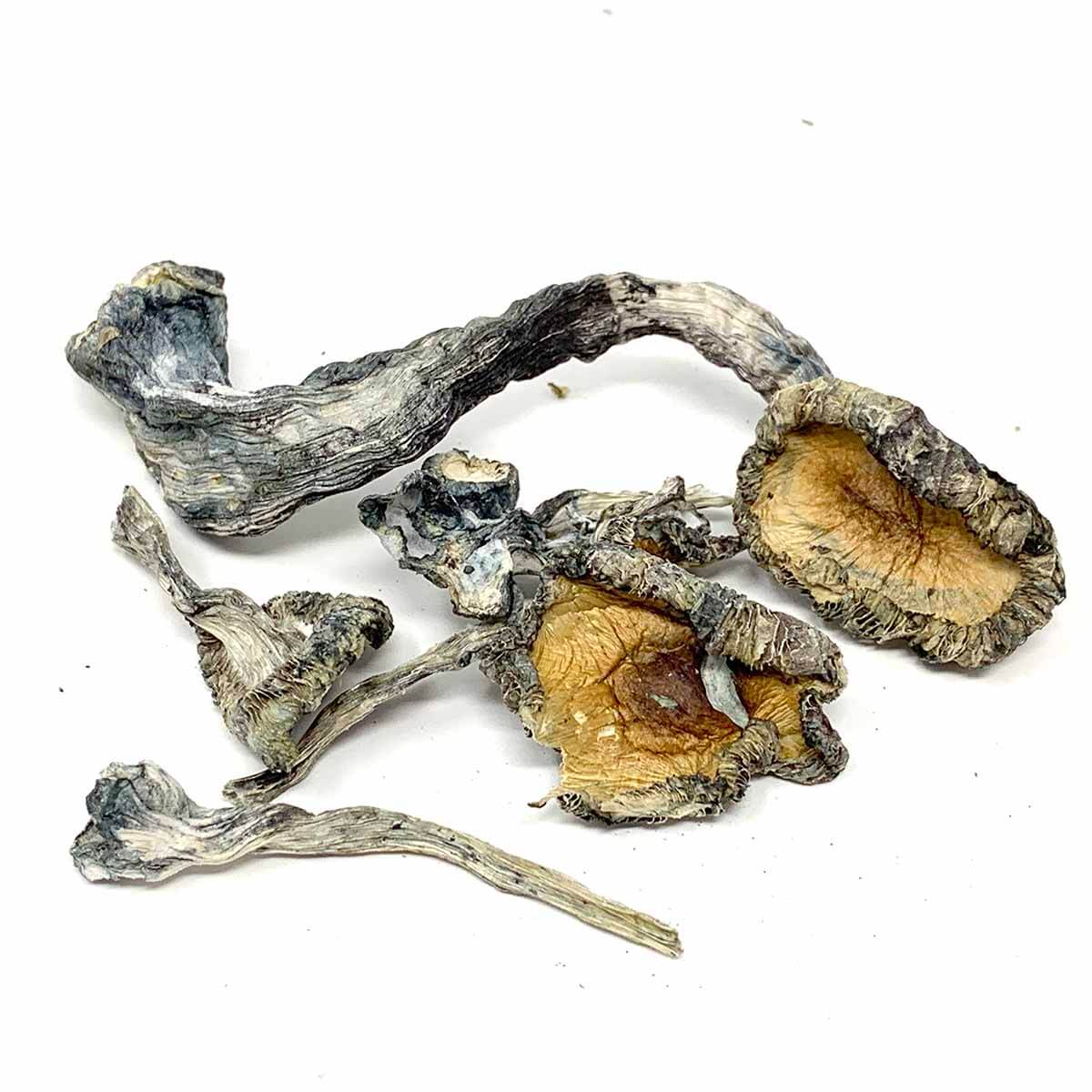
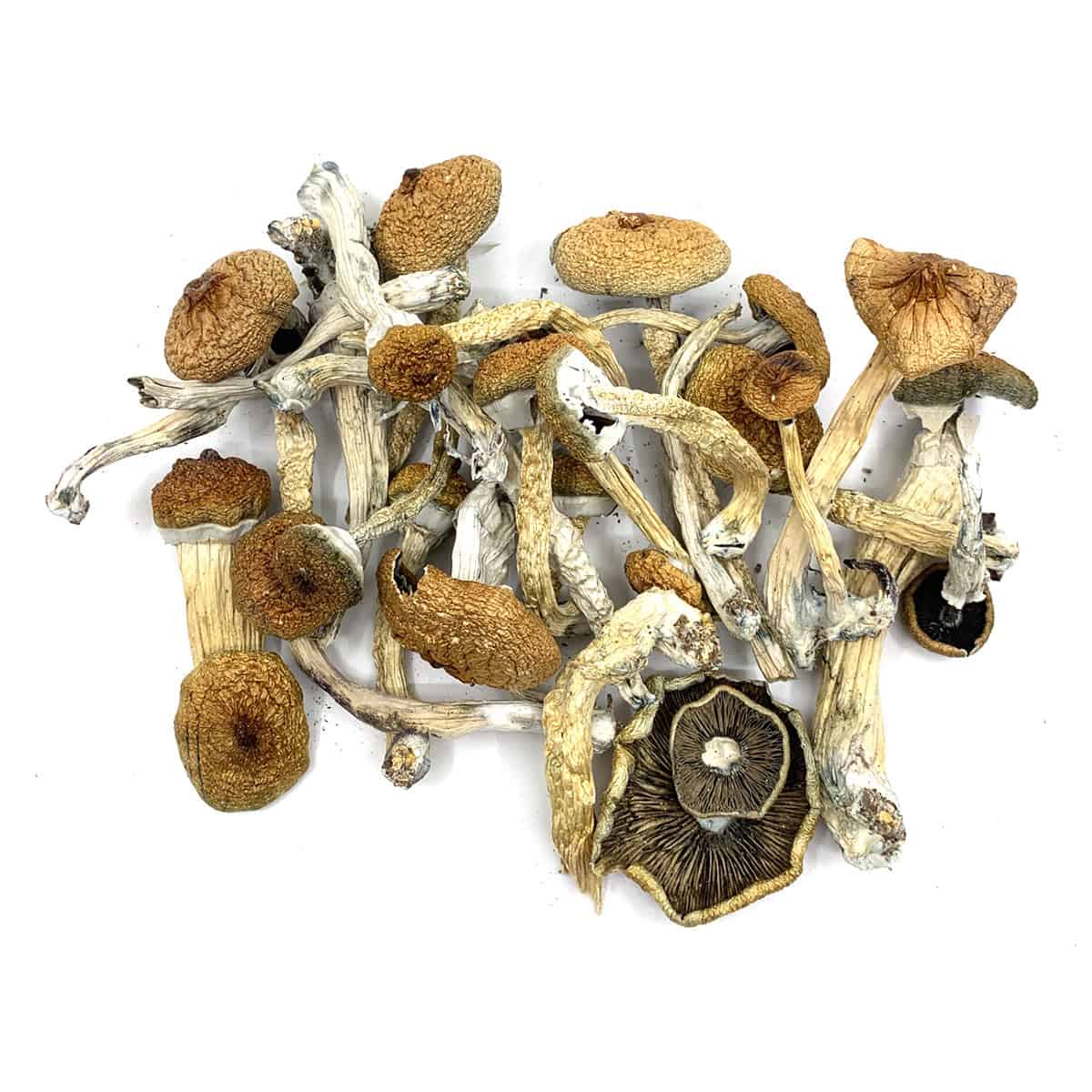
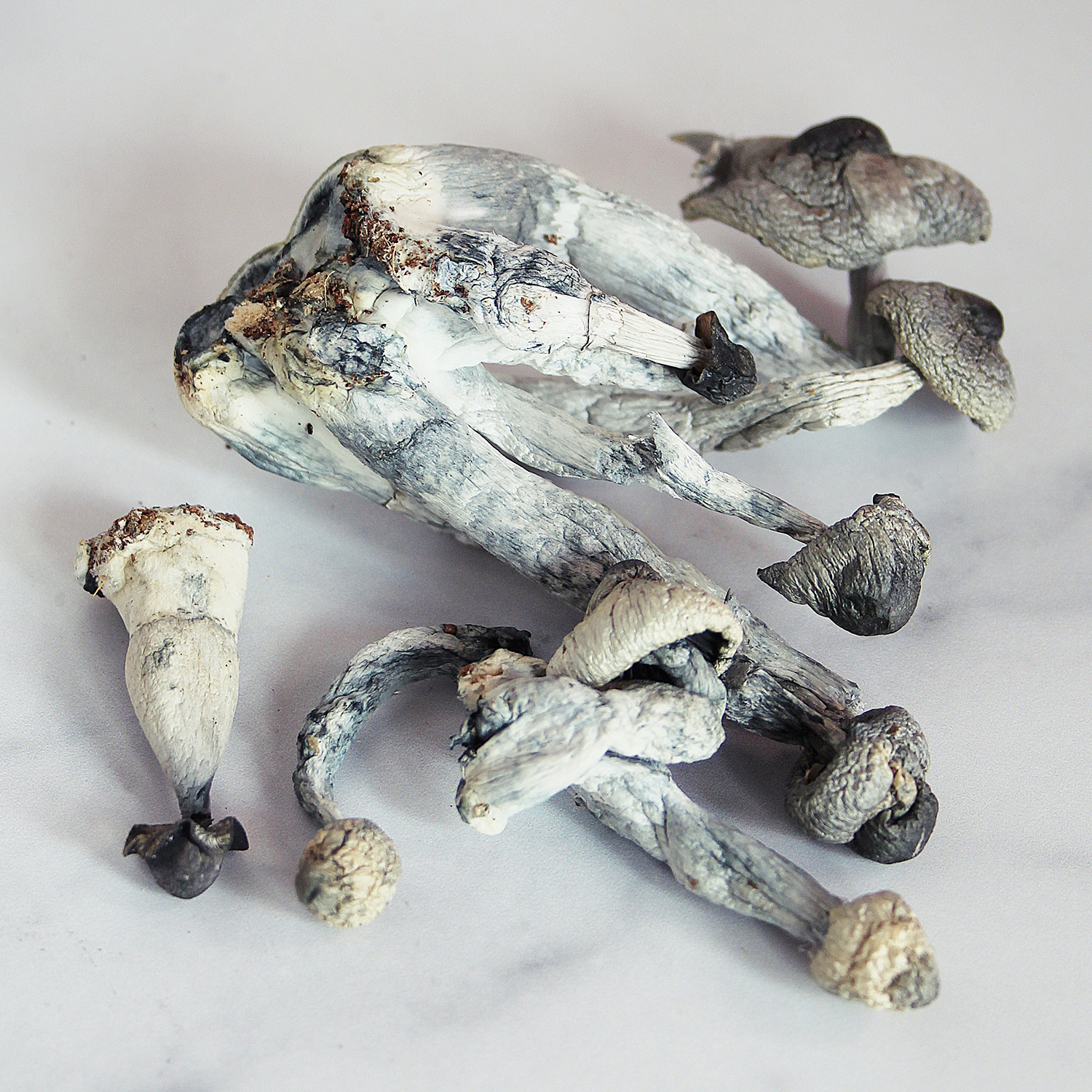
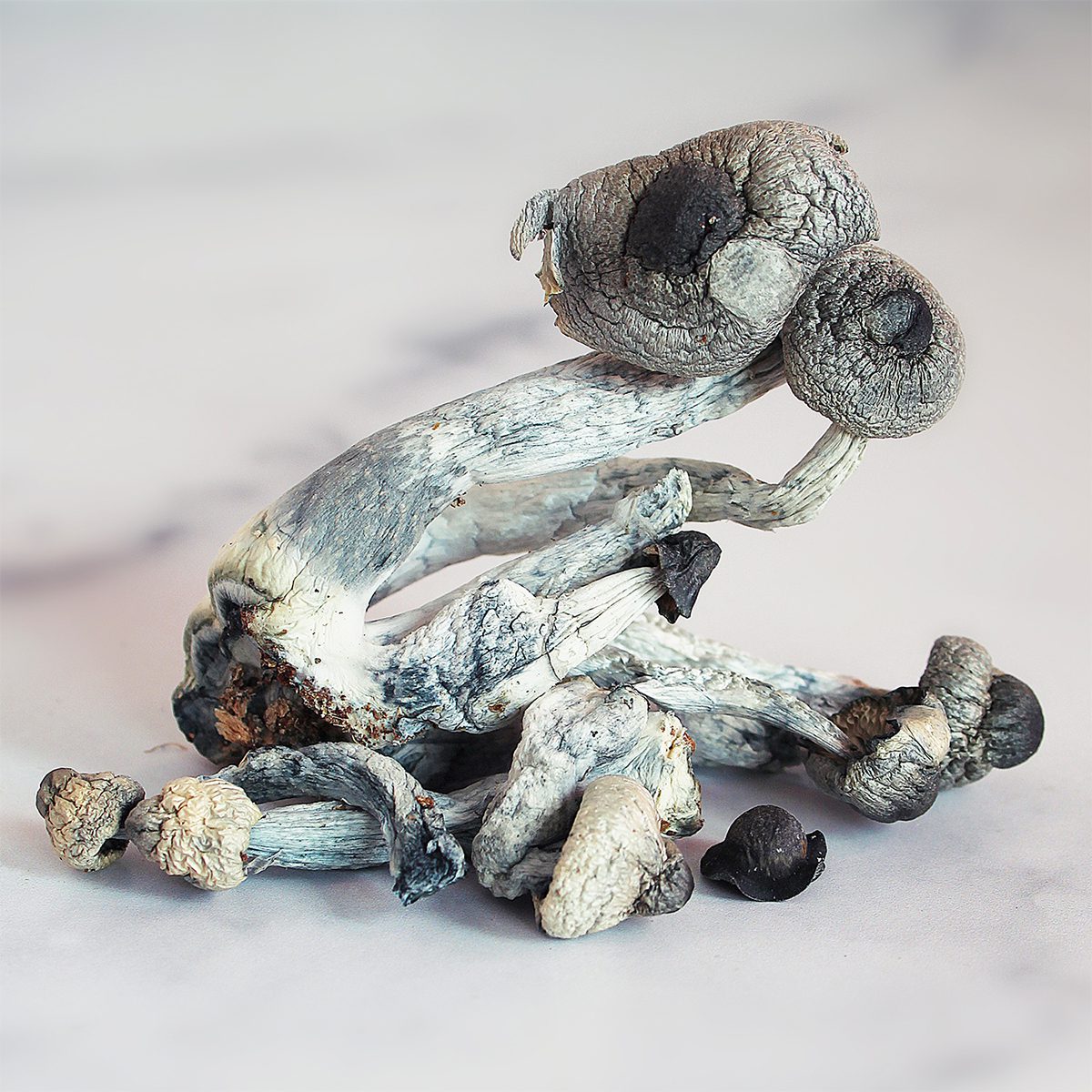
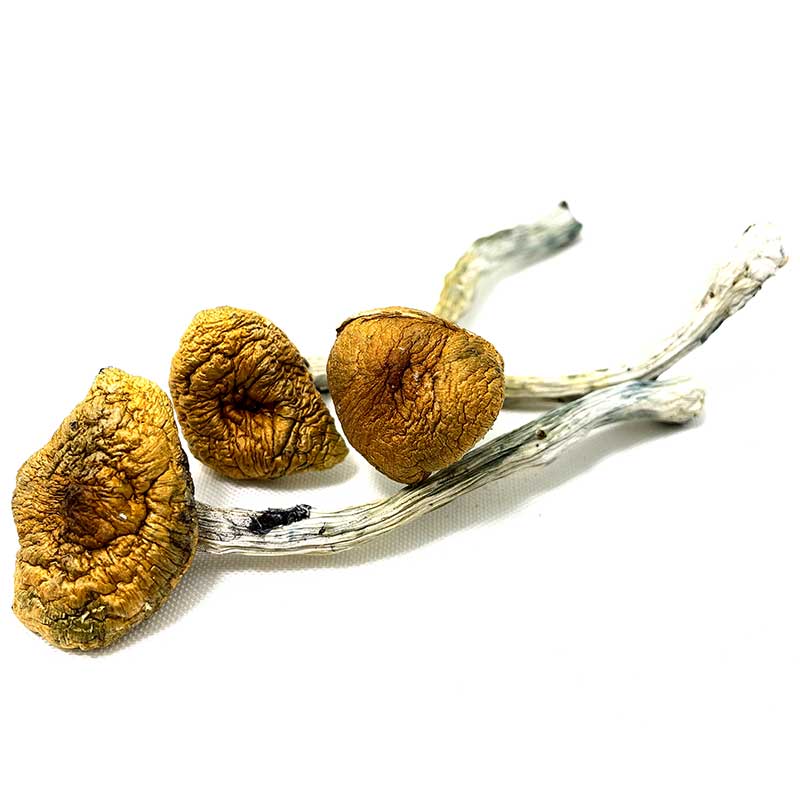
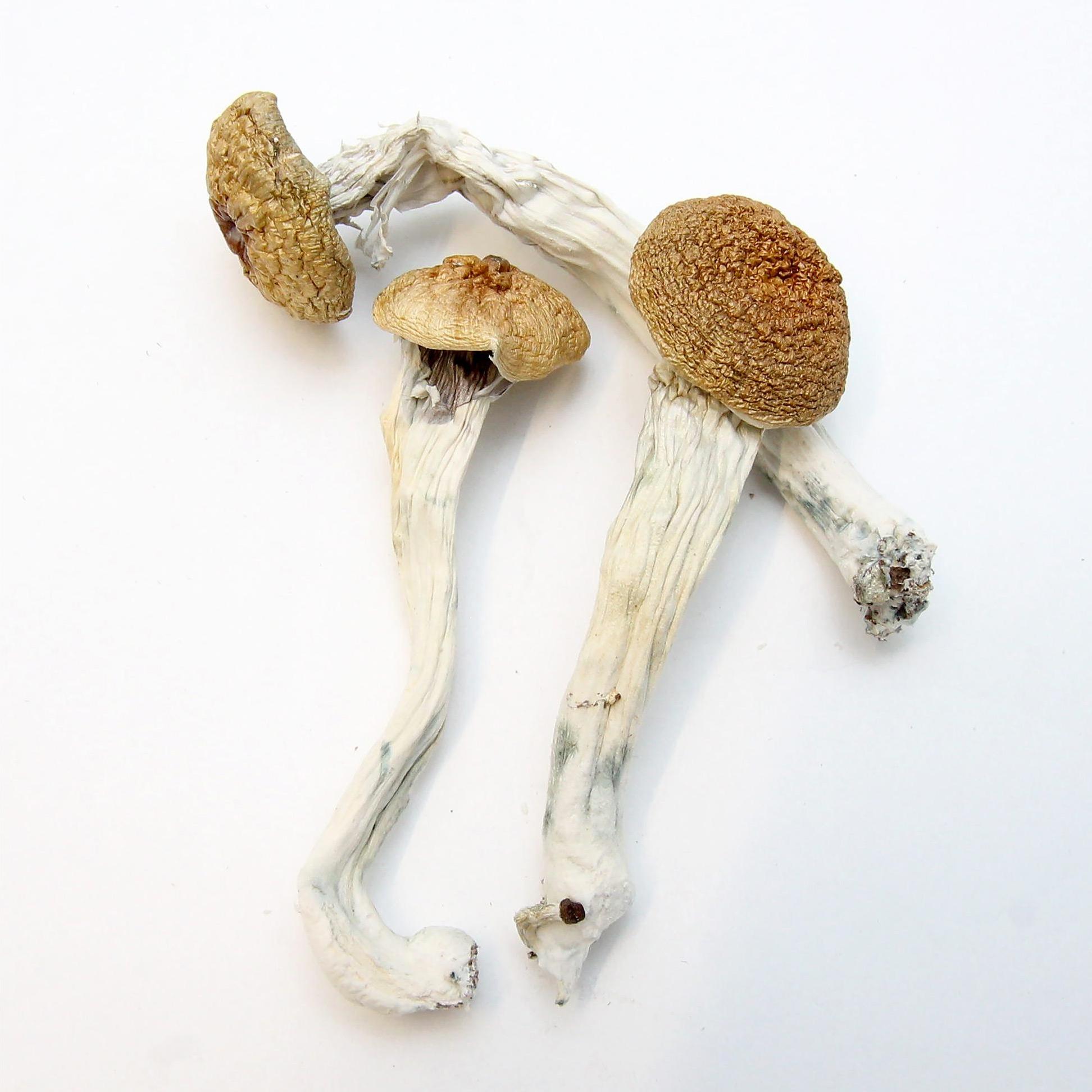
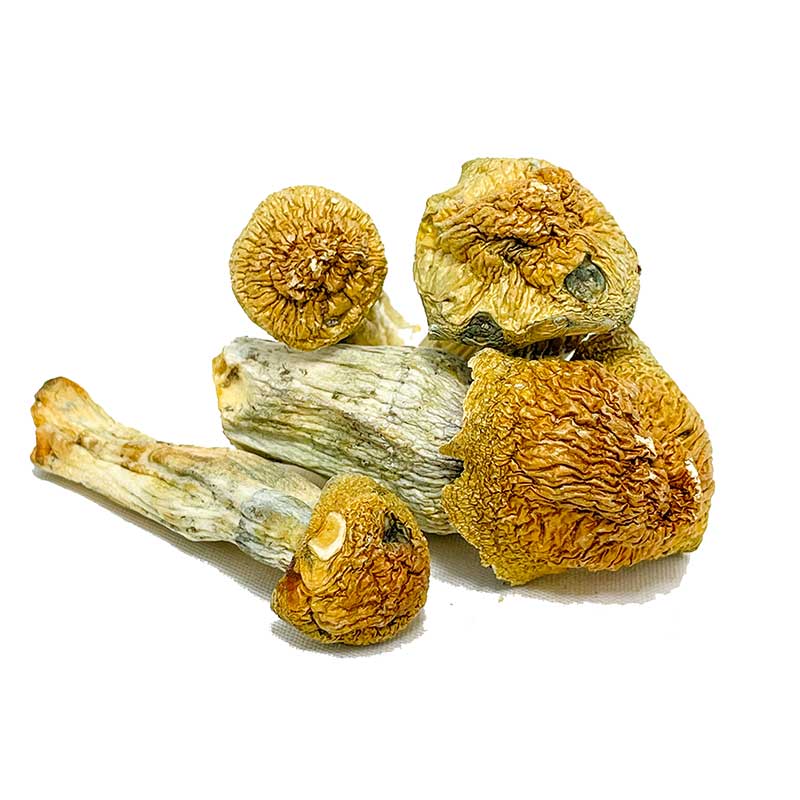
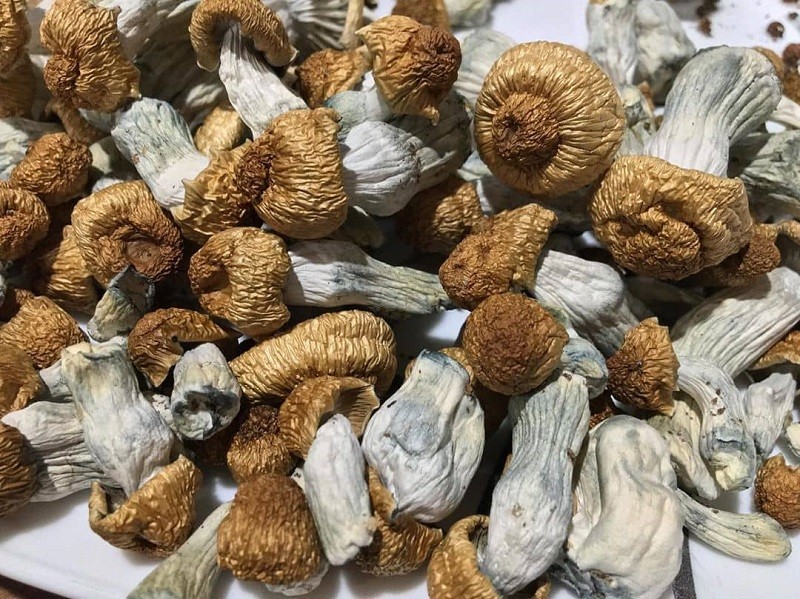
Psilocybe Subaeruginosa
Many people search for Psilocybe subaeruginosa habitat to learn about the species, compare images, find regional information, and understand the safety risks. However, identifying wild mushrooms is dangerous because toxic species can closely resemble other mushrooms. This page provides educational information that focuses on public safety, awareness, legal considerations, and emergency support. It does not explain how to harvest, consume, dry, cultivate, or locate mushrooms.
Some mushrooms contain psilocybin, which is a psychoactive substance. In addition, people can suffer severe poisoning if they mistake a toxic mushroom for another species. Australian health authorities advise people not to eat wild mushrooms unless a qualified expert has confirmed they are safe.
Why Responsible Mushroom Awareness Matters
A safety-first resource helps readers understand the limits of online information. For example, photos, social media posts, and online forums cannot replace expert identification.
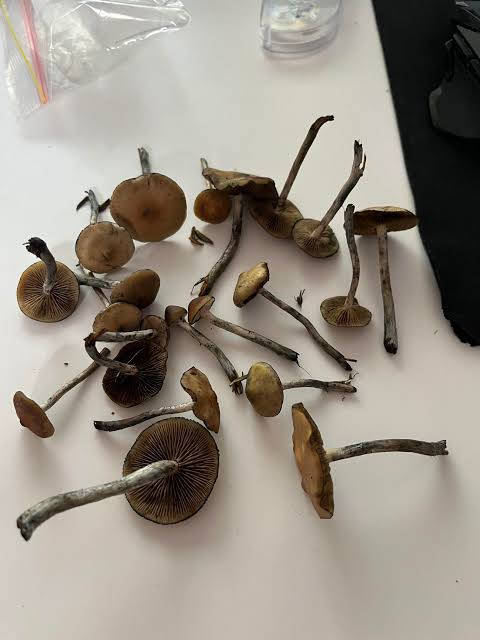
Moreover, a mushroom can look different depending on its age, moisture, light, weather, habitat, or damage. As a result, two mushrooms may appear similar in a photo while belonging to completely different species.
This page encourages safer decisions. It also explains when readers should stop relying on online information and seek advice from a qualified professional or emergency service. Ultimately, the goal is to reduce accidental poisoning, discourage unsafe foraging, and direct readers to trusted health information.
Public Safety Information
Many readers search for terms such as psilocybe subaeruginosa identification, psilocybe subaeruginosa look alikes, and psilocybe subaeruginosa vs galerina. However, you should never rely on visual comparison alone to identify a wild mushroom.
Likewise, many people search for galerina marginata vs psilocybe subaeruginosa because they worry about dangerous lookalike species. Therefore, this page does not provide a field-identification checklist. Incorrect identification can lead to poisoning, serious illness, or injury.
What This Page Covers
This page answers common questions about mushroom safety, public health, and responsible online research. Furthermore, it provides educational information only. It does not include instructions for finding, preparing, using, storing, or sharing mushrooms.
Topics covered include:
- Wild mushroom safety awareness
- Poisoning-risk education
- Lookalike and misidentification warnings
- Responsible use of online information
- Emergency-response guidance
- Location-specific legal and health reminders
- Referrals to qualified mycologists, healthcare professionals, and poison-information services
Regional Searches and Safety
Many users search for psilocybe subaeruginosa australia, psilocybe subaeruginosa victoria, and psilocybe subaeruginosa tasmania to learn about mushrooms in different regions. Even so, responsible content should never include exact collection sites or harvesting advice.
Similarly, some users search for subaeruginosa victoria map, psilocybe subaeruginosa nsw map, queensland map, and psilocybe subaeruginosa map. Instead of providing maps or coordinates, this page explains that location data cannot confirm a mushroom’s identity or safety.
How Responsible Psilocybe Subaeruginosa Mushroom Safety Information Works
A trustworthy mushroom-awareness page follows a simple safety-first approach.
First, it explains that online photos, videos, and search results cannot confirm the identity of a wild mushroom.
Next, it explains why colour, bruising, shape, habitat, and seasonal patterns cannot guarantee accurate identification. Although these features may seem helpful, they can easily mislead people.
Finally, it encourages anyone with possible mushroom exposure to seek medical help immediately.
According to Healthdirect, contact the Poisons Information Centre on 13 11 26 if you suspect mushroom poisoning. Do not wait for symptoms to appear.
If someone becomes unconscious, has seizures, experiences breathing problems, or collapses, call 000 immediately.
What This Page Does Not Provide(Psilocybe Subaeruginosa)
To protect public safety, this page does not provide:
- Dosage guidance
- Consumption instructions
- Drying or storage methods
- Harvesting techniques
- Foraging maps or exact locations
- Spore collection instructions
- Preparation methods
- Advice about avoiding drug detection
- Sales, sourcing, or distribution information
This policy also applies to searches such as psilocybe subaeruginosa dosage, psilocybe subaeruginosa dried, subaeruginosa spore print, subaeruginosa spores, and psilocybe habitat.
People can misunderstand these topics. Consequently, misuse may increase the risk of poisoning, legal problems, or harmful substance use.
Why Choose a Safety-First Educational Resource
A high-quality educational resource puts public safety first. Therefore, it avoids encouraging risky foraging, casual experimentation, or self-identification from photographs.
Instead, reliable content explains uncertainty in clear language. It also encourages readers to seek qualified advice whenever they have safety concerns.
In addition, this approach improves content quality for Google Search, AI Overviews, voice search, and users looking for direct answers.
Most importantly, many people simply want to know whether something is safe, what risks exist, and where they can find trusted support.
Important Identification Limitations
Some users search for psilocybe subaeruginosa blue bruising or psilocybe subaeruginosa bruising because they believe one feature can identify a mushroom.
However, bruising, colour changes, cap shape, gill appearance, and environmental conditions cannot prove a mushroom’s identity or safety.
Likewise, some people search for psilocybe subaeruginosa because they want a quick answer. Even so, no website, image, or short description can safely verify a wild mushroom for consumption.
Guidance for Publishers and Website Owners(Psilocybe Subaeruginosa)
Publishers who write about fungi, foraging, outdoor activities, natural history, or public health should use clear and responsible language.
For example, avoid claims that guarantee identification, safety, legality, or expected effects. Likewise, do not publish exact maps, harvesting instructions, dosage recommendations, drying guides, or comparison charts that people could interpret as encouragement to consume wild mushrooms.
Instead, support your content with qualified mycology references, public-health resources, poison-centre guidance, and local legal advice where appropriate.
Finally, keep educational information separate from medical advice. Also, include clear emergency instructions for accidental mushroom ingestion.