




Showing 13–24 of 26 results
By Sour Patch Gummy (100ug)
$200.00 – $500.00Price range: $200.00 through $500.00DMT 1ml 300mg DMT Vape
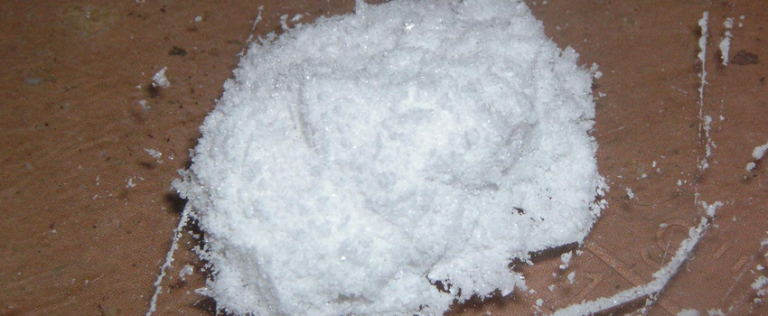
$200.00Ecstasy/Molly Crystal effects
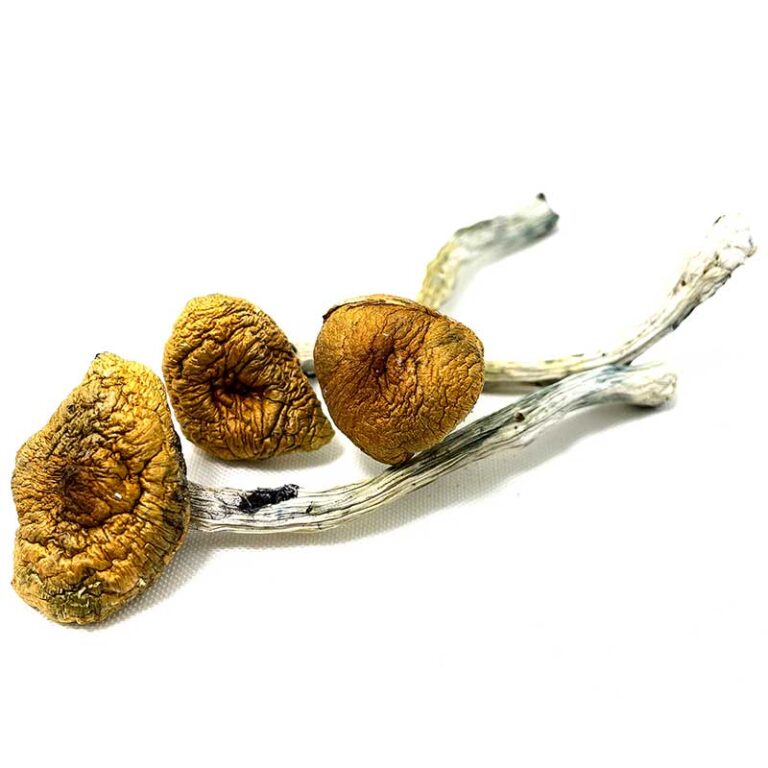
$250.00 – $700.00Price range: $250.00 through $700.00Golden Teachers magic Mushroom
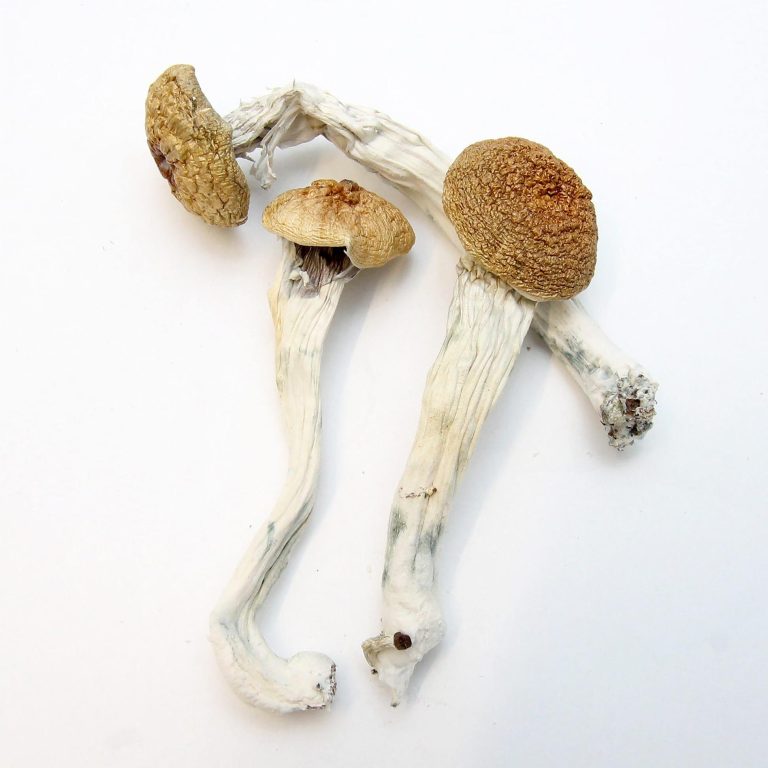
$230.00 – $1,150.00Price range: $230.00 through $1,150.00HillBilly Magic Mushrooms
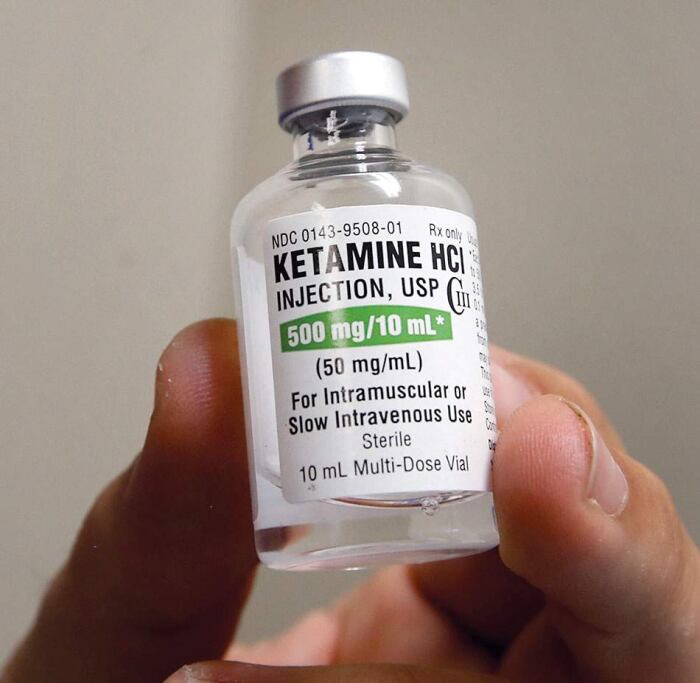
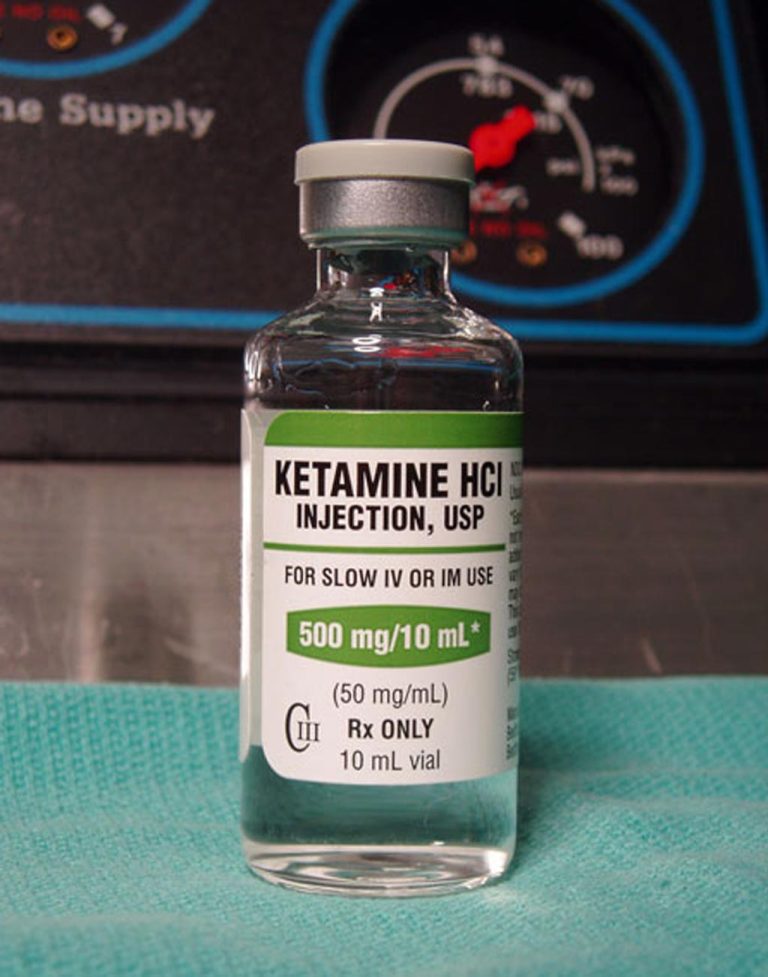
$220.00 – $1,100.00Price range: $220.00 through $1,100.00Liquid Ketamine Medical Safety
$195.00 – $290.00Price range: $195.00 through $290.00LSD Blotter Tabs Close Up
$235.00 – $550.00Price range: $235.00 through $550.00LSD Gel Tabs (100ug) safety
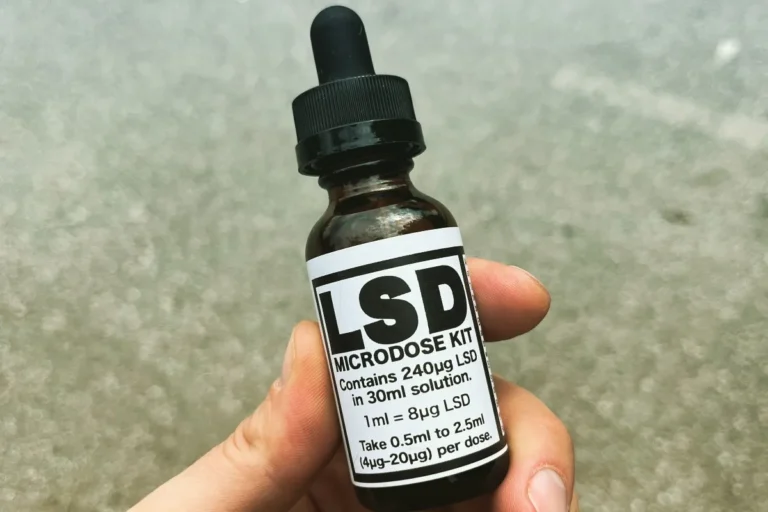
$235.00 – $550.00Price range: $235.00 through $550.00LSD Liquid 30ml-240ug
$290.00Magic Mushroom Gummies Safety
$200.00 – $790.00Price range: $200.00 through $790.00Mescaline Powder Risks Legality
$150.00 – $400.00Price range: $150.00 through $400.00Mushroom Chocolate Bar
$150.00 – $410.00Price range: $150.00 through $410.00nsnnnsnnsjnjnsjns jnjjnjenjnejnje
Explore information about MDMA (3,4-Methylenedioxymethamphetamine), a synthetic psychoactive compound that has been studied extensively in chemistry, neuroscience, psychology, and public health research.
The terms Ecstasy, MDMA, and Molly are often used interchangeably in public discussions, but they can refer to different contexts. Understanding the differences between these terms, their history, and how they are commonly used provides a clearer understanding of this widely discussed substance.
What Is MDMA (3,4-Methylenedioxymethamphetamine)?
MDMA, short for 3,4-Methylenedioxymethamphetamine, is a synthetic compound that belongs to the class of substances known as psychoactive compounds.
MDMA has been studied because of its effects on the brain’s chemical systems, particularly those involving:
- Serotonin
- Dopamine
- Norepinephrine
Scientific research has examined MDMA in areas including neuroscience, pharmacology, mental health research, and substance studies.
Understanding the Terms Ecstasy, MDMA, and Molly
Although these terms are frequently used together, they have different meanings.
MDMA
MDMA refers specifically to the chemical compound 3,4-Methylenedioxymethamphetamine.
It is the scientific name used in research, medical literature, and academic discussions.
Ecstasy
Ecstasy is a common term historically associated with tablet or capsule products marketed as containing MDMA.
However, the name describes a product category rather than confirming the actual chemical contents.
Molly
Molly is a commonly used term that often refers to crystal or powder forms marketed as MDMA.
The appearance or name of a substance does not scientifically confirm its composition.
Common Forms and Terminology Associated With MDMA
MDMA Crystal / Molly Crystal
MDMA crystal and molly crystal are terms commonly used when discussing crystalline or powder-like forms associated with MDMA.
Appearance, colour, or texture alone cannot determine the identity or composition of a substance, which is why scientific testing is important in research and analytical settings.
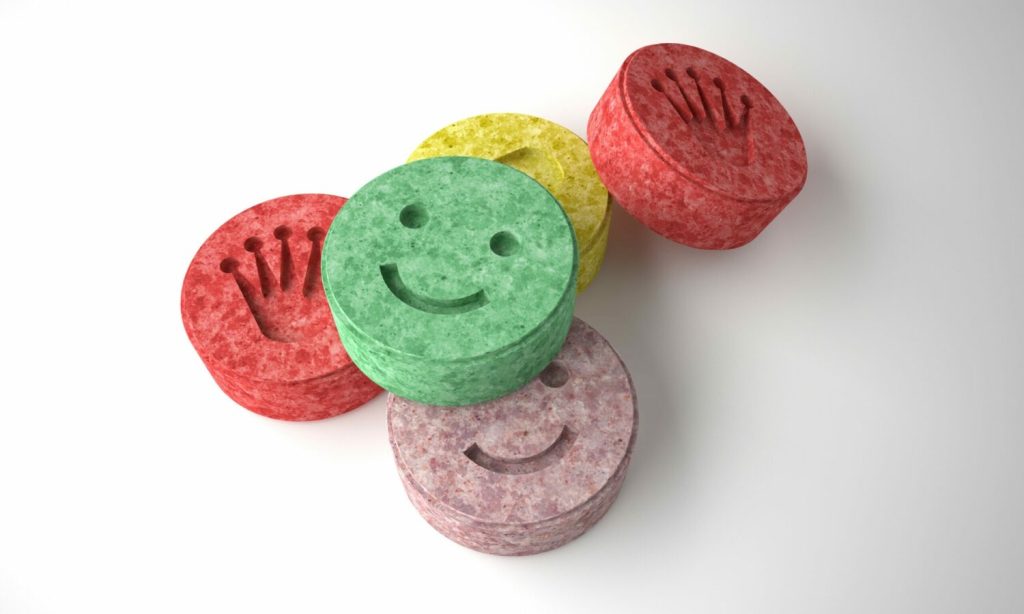
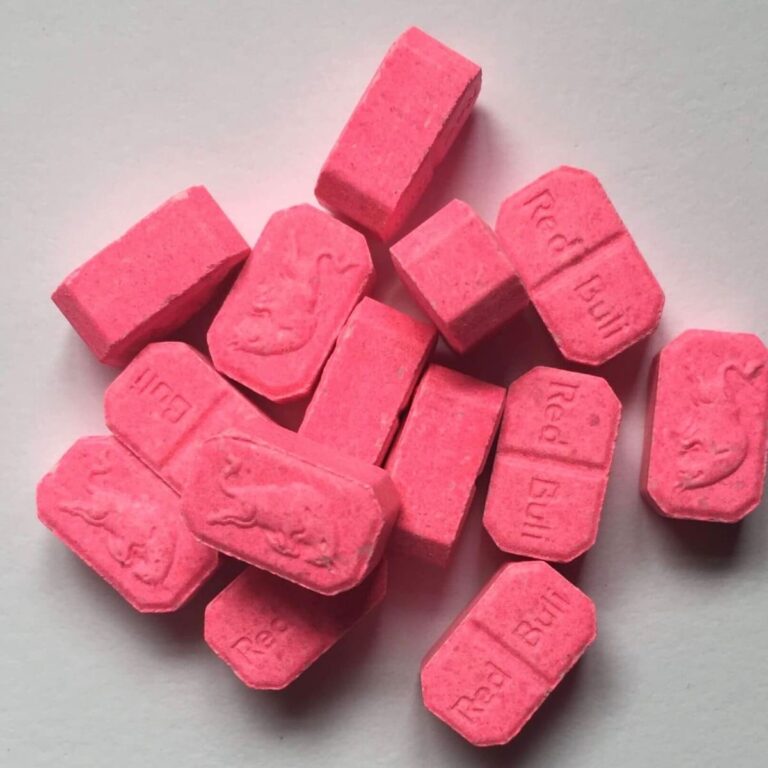
Ecstasy Pills / MDMA Tablets
Ecstasy pills and MDMA tablets are terms commonly associated with pressed tablet formats.
Tablets may vary in:
- Shape
- Colour
- Size
- Design markings
Visual appearance alone does not provide reliable information about chemical composition.
History of MDMA
The history of MDMA dates back to the early 20th century.
Important historical points include:
- 1912: MDMA was first synthesised by scientists at Merck
- 1970s: Increased interest in research exploring its effects on human psychology
- 1980s onward: Growing public discussion, regulation, and scientific research
Today, MDMA remains a subject of research in neuroscience, pharmacology, and clinical studies.
Scientific Research on MDMA
Researchers have studied MDMA to better understand:
- Brain chemistry
- Neurotransmitter systems
- Human behaviour
- Psychological processes
- Potential therapeutic research applications
Scientific studies continue to examine the relationship between MDMA and the brain’s communication systems.
Why Understanding MDMA Terminology Matters
The words Ecstasy, Molly, and MDMA are often used casually, but they do not always describe the same thing.
Understanding these terms helps explain:
- The difference between a chemical compound and a street name
- Why appearance does not identify composition
- How terminology is used in scientific discussions
- Why evidence-based information is important